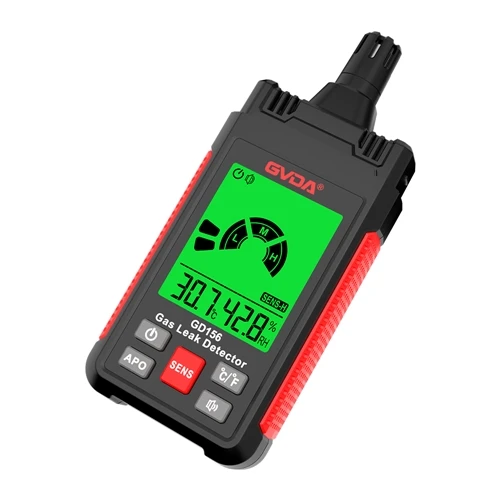
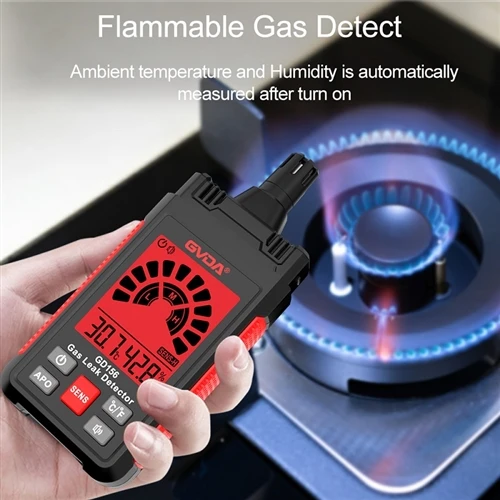
Can a portable carbon monoxide (CO) detector be used as a substitute for a combustible gas alarm?
1, Different detection objects
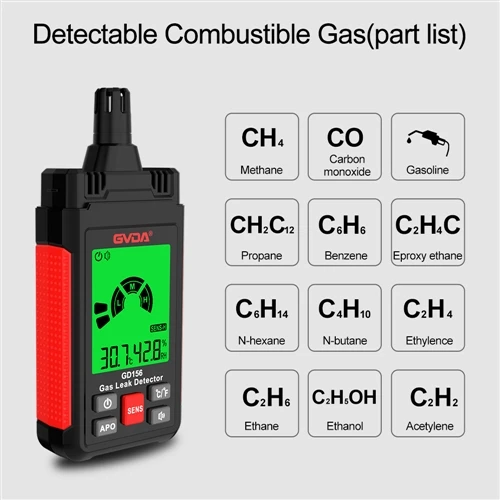
Gas alarms are mainly designed for combustible gases such as methane and propane, such as natural gas and liquefied gas. After such gas leaks, it is easy to cause explosions or fires. The core function of gas alarms is to issue warnings before the gas concentration reaches a certain level of danger, reminding users to prevent explosion or fire risks.
The portable carbon monoxide detector is specifically designed to detect colorless and odorless carbon monoxide. This gas is often generated by incomplete combustion of fuel, such as in the event of gas equipment failure or poor ventilation conditions in coal stoves. After carbon monoxide leakage, it can cause poisoning hazards to the human body, and in severe cases, it can also endanger life. Therefore, the detection purpose of portable carbon monoxide detectors is to prevent poisoning, which is completely different from the protection direction of gas alarms.
2, There are differences in functional principles
The difference in functional principles further determines that the two cannot be used interchangeably. Gas alarms detect changes in the concentration of combustible gases through catalytic combustion or semiconductor sensors. When the gas concentration exceeds the standard, an alarm is triggered, often accompanied by the smell of gas odor. Users can quickly mitigate the risk by timely ventilation and other methods.
Portable carbon monoxide detectors rely on electrochemical sensors to capture extremely low concentrations of carbon monoxide. Carbon monoxide is colorless and odorless. When the detector sounds an alarm, the human body may have already experienced symptoms of poisoning such as dizziness and nausea. At this time, it is necessary to immediately evacuate the scene and cut off the source of pollution to avoid further harm.
3, Each application scenario has its own focus
From the perspective of application scenarios, there are also differences in the installation and usage locations of the two. Gas alarms are often installed near gas pipelines, valves, and other locations where gas is prone to leakage. When installing, they need to be kept away from heat sources and ventilation openings in order to more accurately capture gas leakage signals.
Portable carbon monoxide detectors are more suitable for placement in areas with frequent human activities, or near equipment that is prone to producing carbon monoxide such as gas water heaters and wall mounted boilers. If insufficient combustion occurs during the use of such equipment, it is easy to accumulate carbon monoxide. The detector can capture concentration changes in a timely manner, providing protection for personnel safety.
If a gas alarm is used instead of a portable carbon monoxide detector, the risk of carbon monoxide poisoning will be completely ignored; On the contrary, using a portable carbon monoxide detector to monitor gas leaks cannot issue effective warnings before the risk of explosion occurs. The two belong to complementary devices in security protection, rather than a substitute relationship.