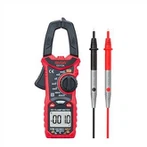
Carbon dioxide detector giving inaccurate readings? A 4-step checkup method fixes the problem for you
1, First check calibration: confirm whether the instrument's "reference" is accurate
The detection accuracy of carbon dioxide detectors cannot be maintained without regular calibration, and long-term lack of calibration is a common reason for inaccurate values. Firstly, it is necessary to check the calibration records of the instrument to confirm whether it has exceeded the recommended calibration cycle (usually industrial instruments are recommended to be calibrated once every 1-2 years, and in complex environments, the cycle needs to be shortened). If the cycle is exceeded, the sensor is likely to drift, causing readings to be higher or lower. In this case, it is necessary to contact the manufacturer or a qualified professional organization for recalibration to restore the instrument to its accurate detection benchmark.
If the carbon dioxide detector supports simple environmental calibration (some industrial grade models have this function), it can be left to stand for more than 30 minutes in a well ventilated outdoor or known air quality standard environment, and the instrument can be automatically calibrated based on the concentration of carbon dioxide in the atmosphere (about 400ppm). If the values are still unstable or have significant deviations after calibration, it indicates the need for more professional calibration operations and cannot be solved by simple calibration alone.
2, Looking at the environment again: eliminate external interference factors
Special substances or changes in environmental conditions can also interfere with the readings of carbon dioxide detectors. For example, detecting the presence of alcohol, high concentration water vapor, or other volatile organic gases in the environment may react with the sensor, resulting in false high readings; If the instrument is directly facing the air conditioning outlet, fan airflow, or if the ambient temperature changes dramatically in a short period of time (such as moving from a high-temperature outdoor environment to a low-temperature indoor environment), the sensor response will be affected, resulting in reading fluctuations or deviations.
In this situation, first transfer the instrument to a dry, odorless, and strong airflow free environment. After the ambient temperature stabilizes, let it stand for 10-15 minutes before retesting. If the values return to normal, it indicates that the previous deviation was caused by environmental interference; If it is still inaccurate, further investigation of the instrument itself is necessary.
3, Check hardware: Confirm if the instrument components are functioning properly
The hardware failure of the instrument is also an important reason for inaccurate values, and the focus should be on checking the sensors and air inlet. First, look at the air inlet of the sensor - if used for a long time, the air inlet may be blocked by dust, oil, or other impurities, causing gas to not enter the sensor smoothly and resulting in low readings. At this point, you can use a clean soft bristled brush to gently clean the air inlet, or use dry compressed air (pressure should not be too high) to blow away impurities. Be careful not to let the liquid come into contact with the sensor to avoid damaging the components.
Additionally, it is important to pay attention to the lifespan of the sensor. The sensor of a carbon dioxide detector can usually last for 2-5 years, depending on the frequency of use and the severity of the environment. If the instrument has exceeded the recommended service life of the sensor, even after calibration, the reading accuracy will significantly decrease. In this case, a new sensor needs to be replaced to restore the normal detection capability of the instrument.
4, Auxiliary verification: Confirm the fault using other methods
If the instrument values are still inaccurate after the previous steps of investigation, there are two ways to further verify. One method is comparative testing - finding another calibrated and confirmed normal carbon dioxide detector to measure simultaneously in the same environment. If the difference in values between the two instruments exceeds the allowable range (usually not more than ± 5%), it can be basically determined that there is a fault with the machine and the brand after-sales service needs to be contacted for handling.