Guidelines for Correct Use of Combustible Gas Detectors
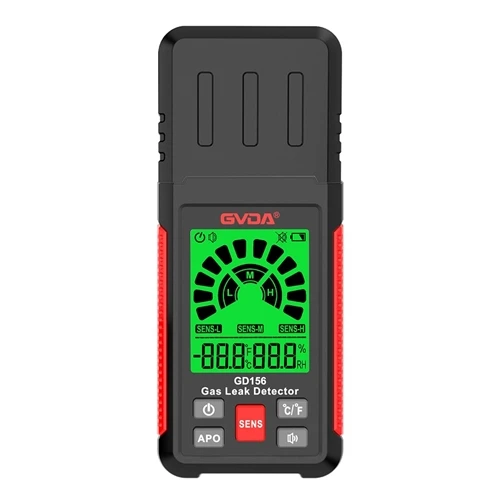
As required by national regulations, gas detectors are essential production equipment and vital alarming devices. They can effectively prevent explosions and poisoning accidents caused by gas leaks. Given their great importance, how should we select and purchase them? Below is a brief analysis of the criteria for purchasing such equipment.
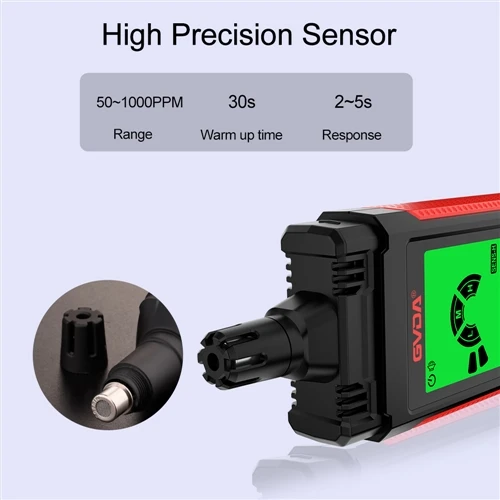
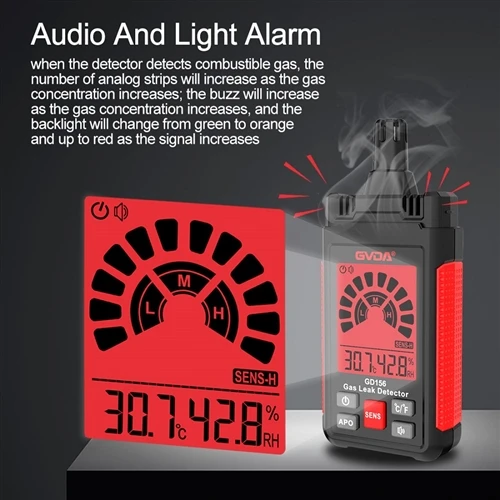
Many users wonder how to verify whether a purchased combustible gas detector works properly. The verification method is simple. Most workshops keep test gas sources. Pour an appropriate amount of test gas or liquid into a mineral water bottle and tighten the cap. Puncture a tiny hole in the cap with a sharp object, then aim the hole at the sensor probe of the combustible gas detector, and observe whether the readings on the detector display change.
Note that some combustible substances exist in liquid form with slow volatilization speed. Shake the bottle during testing to speed up volatilization. In addition, fixed gas detectors generally adopt natural diffusion sampling, which can only respond when leaked gas diffuses to the device.
If you find the above method troublesome, you can use a lighter for quick testing. Light the lighter and blow out the flame while keeping the gas outlet open to maintain gas emission. Aim the gas outlet at the detector probe for a short time. Do not keep it too long, as the gas concentration released by lighters is extremely high. Excessively high concentration will exceed the measuring range of the detector, and frequent improper operation will shorten its service life.
It is relatively difficult to confirm the detection accuracy of gas detectors. You need to know the standard concentration value of the target gas, then check if the detector readings are consistent with the known standard values. A certain range of error is permitted in accordance with national standards. If the readings are basically consistent or have minor deviations, the detector can realize accurate measurement.