How to Test a Capacitor's Condition (Good or Bad) with a Multimeter
The correct method for measuring capacitance with a multimeter:
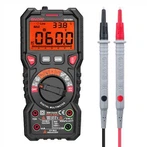
Choose the correct range: A multimeter typically has multiple range settings and can measure capacitance in different ranges. Before measurement, the appropriate range gear should be selected based on the relative size of the capacitor to be tested. Generally speaking, choose a gear with a range slightly larger than the rated capacity of the capacitor being tested.
Preparation: Remove the capacitor to be tested from the circuit first to ensure that the measurement process is not affected by interference from other components. At the same time, it should also be ensured that there is no residual charge on the capacitor. It can be achieved by short circuiting two leads together and allowing them to discharge naturally for a few seconds.
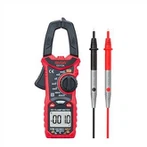
Connecting circuit: Connect the test leads of the multimeter to the two plates of the capacitor. The connection of positive and negative leads corresponds to the polarity of the capacitor under test. After connecting, ensure that the contact between the leads and the capacitor plates is firm and not loose.
Select DC voltage range: Select the DC voltage (DCV) range on the knob or button of the multimeter. Usually, the rated voltage of capacitors is below 10V, so choose a suitable low voltage range, such as 2V.
Measure capacitance: Turn the measurement switch knob or button to the capacitance (C) position. Wait a few seconds until the value stabilizes. A multimeter can display the capacitance value of a capacitor, measured in Farads (F) or microfarads (uF).
Repeated measurement: To ensure accuracy, multiple measurements can be taken and the average value taken as the final result.
Measuring the quality of capacitance with a multimeter:
Now let's talk about how to use a multimeter to judge the quality of capacitors. The quality of capacitors can be determined through testing in the following two aspects:
Measure capacitance value: First, measure the capacitance by connecting a multimeter to the two plates of the capacitor using the above measurement method and measuring its capacitance value. If the reading is close to the nominal value of the capacitor and consistent with previous measurement results, then the capacitor can be considered good. However, if the reading shows infinity (or very close to infinity), it may indicate that the capacitor has an open or short circuit problem, which could be faulty. In addition, it is important to note that capacitors that deviate significantly from their nominal values may also be damaged.
Check the appearance: In addition to measuring the capacitance value, the appearance of the capacitor should also be checked. If there is obvious damage or leakage on the surface of the capacitor, it can be judged that it has been damaged. In addition, attention should be paid to whether the capacitor leads are broken and whether the solder joints are secure. These appearance issues may cause abnormal operation of capacitors, so they need to be replaced in a timely manner.
It should be noted that the method of measuring capacitance may vary on different multimeters. Therefore, it is best to consult the multimeter user manual or seek professional assistance before conducting the test.
In summary, the correct method for measuring capacitance with a multimeter includes selecting the appropriate range, preparing work, connecting circuits, selecting the appropriate voltage range, measuring capacitance, and repeating measurements to ensure accuracy. To judge the quality of a capacitor, it is necessary to measure the capacitance value and inspect the appearance, and combine these two aspects of information to make a judgment.