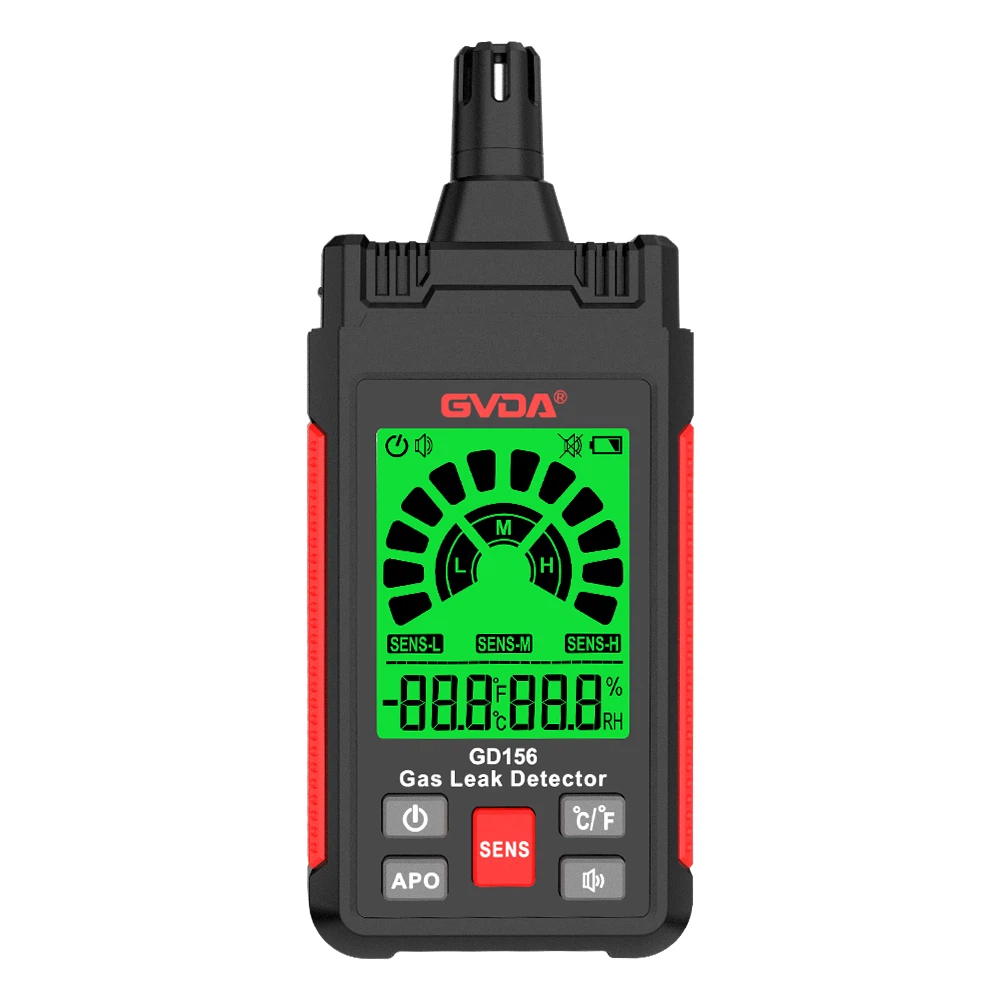
If a toxic gas detector does not alarm, does that mean the device is faulty?
1, Not all cases are due to equipment malfunctions, and these situations can also lead to failure to sound an alarm
The most common non fault cause is improper adaptation of the detection environment and equipment. If the concentration of toxic gases on site does not reach the alarm threshold of the detector, the equipment will naturally not issue an alarm. This situation often occurs in scenarios where there is a trace gas leak or the threshold of the toxic gas detector is set too high.
In addition, improper operation can also lead to non alarm issues. For example, the placement of toxic gas detectors is unreasonable, not aligned with gas leakage points or gathering areas, and the inlet cannot effectively capture gas samples; The pump suction detector does not have the pump suction function turned on and relies solely on diffusion detection. Gas cannot quickly reach the sensor, especially when there is a low concentration leak, which may result in no alarm.
2, The main cause of non alarm failure is the abnormality of the equipment itself
If the above non fault factors are excluded, then consider the abnormality of the equipment itself. The aging or damage of sensors is the primary cause. After long-term use, the sensitivity of sensors will gradually decrease, or even completely fail, and cannot respond to toxic gas signals normally. Even if the gas concentration exceeds the standard, it will not trigger an alarm.
Secondly, there are issues with device power supply or firmware. Insufficient battery can cause insufficient power supply to the sensor, making it unable to function properly; Firmware aging and malfunctions can affect signal transmission and data processing, indirectly leading to the failure of alarm functions. In addition, blockage of the air intake and moisture absorption of the sensor can also hinder the contact between gas and the sensor, resulting in no alarm.
3, Quick on-site troubleshooting methods to easily identify the root cause of the problem
When troubleshooting, the problem can be efficiently located in the order of "easy first, difficult later". The first step is to check the operation and environment of the equipment, confirm that the toxic gas detector is placed in a reasonable position, the air inlet is unobstructed, the pump suction equipment has enabled the corresponding function, and verify whether the alarm threshold setting is reasonable.
Step two, check the basic status of the equipment, check if the battery is sufficient and if the firmware is normal, clean the dust and debris from the air inlet, and observe if the sensor is damp or damaged. The third step is to calibrate and test with standard gas. If there is still no alarm after calibration, it can be basically determined that the sensor or core component is faulty and needs to be repaired or replaced in a timely manner.