The Practical Application of Laser Distance Meters in Forestry Industry
Data collection serves forest resource inventory, including the measurement of tree height and commercial timber height, vegetation mapping, positioning of rare wild tree species and superior varieties, and grading trees within designated areas to assess their economic value. It also supports cultivation and management research, such as pruning planning, locating trees at specific heights, drawing logging volume profiles, and defining resource boundaries. When planning timber stacking methods for harvesting operations, accurate topographic surveying and mapping of stacking access routes are essential. Additionally, it plays a vital role in pre‑construction surveys for general‑purpose roads and rugged trails. Traditional survey methods, aerial photography and GPS positioning often face limitations such as high costs, insufficient accuracy and complex terrain obstacles.
Applications of Laser Rangefinders in Forestry
Field data collection has long been a major challenge for surveyors, cartographers, GIS database administrators, engineers and researchers. The core difficulty lies in efficiently and accurately acquiring positioning and physical characteristic data for mapping, cataloging, resource inventory and database entry.
Finding an optimal solution under practical conditions remains problematic for two reasons:
A wide variety of methods and technologies are available for selection;
In most cases, no single method can independently deliver comprehensive and satisfactory results.
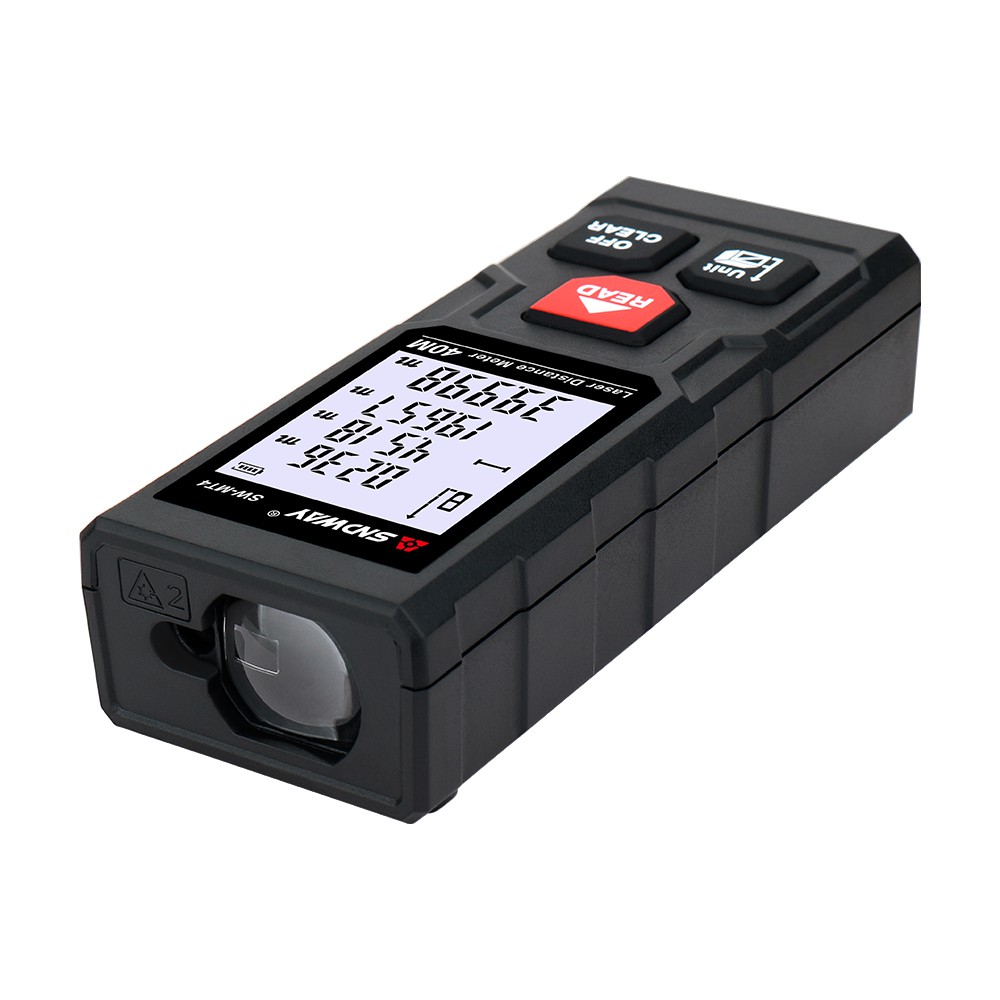
With the development of laser technology, laser rangefinders developed by Laser Technology, Inc. (LTI) of the United States have become increasingly sophisticated. Since 1990, when the United States Department of Agriculture Forest Service adopted these devices as field survey prototypes and evaluated their development potential, laser rangefinders have been compatible with data collectors and GPS devices, and supported by a full range of professional software. This advancement has transformed traditional forest surveying, which once relied on manual compasses, measuring tapes, inclinometers and conventional telescopes, into a new era featuring single‑person operation, full‑station measurement and highly integrated multi‑functional instruments.
The LTI survey system meets the demands of basic vegetation resource monitoring, timber sale inspection, planning surveys, logging distribution mapping and road reconnaissance. By June 1993, the U.S. Forest Service had purchased more than 150 such units. In field planning applications, these laser rangefinders deliver comprehensive functions, stable performance and outstanding durability while cutting operational costs, especially in areas with poor target visibility. Their reliability has been verified across diverse landscapes, from shrublands in northern Idaho to the dense rainforests of Southeast Alaska.
As a country with vast territory and abundant forest resources, China has seen forestry gain growing importance in the national economy amid large‑scale industrial expansion driven by reform and opening up, accompanied by a sharp rise in demand for commercial timber. Forestry authorities now face key tasks: rational industry planning, high‑precision forest resource measurement, and refined inventory and cataloging focused on timber sales. The introduction of laser surveying technology will greatly accelerate the upgrading of China's forestry measurement capabilities and lead the industry into a new development stage.