Basic functions of a multimeter
Overview of Multimeters
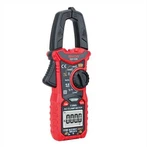
Multimeters, also known as multiplexers, multimeters, triple meters, and multimeters, are indispensable measuring instruments in power electronics and other departments, generally aimed at measuring voltage, current, and resistance. Multimeters are divided into pointer multimeter and digital multimeter according to their display mode. It is a multifunctional and multi range measuring instrument. Generally, a multimeter can measure DC current, DC voltage, AC current, AC voltage, resistance, audio level, etc. Some can also measure AC current, capacitance, inductance, and some parameters of semiconductors (such as β) Etc.
Basic functions of a multimeter
A multimeter can not only be used to measure the resistance of the object being measured, but also to measure AC and DC voltage. Some multimeters can even measure the main parameters of transistors and the capacitance of capacitors. Fully mastering the use of a multimeter is one of the most basic skills in electronic technology. Common multimeter types include pointer type multimeter and digital multimeter. A pointer type multimeter is a multifunctional measuring instrument with a meter head as the core component, and the measured value is read by the pointer of the meter head. The measured values of a digital multimeter are directly displayed in digital form on the LCD screen, making it easy to read. Some also have voice prompts. A multimeter is a common meter that integrates a voltmeter, ammeter, and ohmmeter.
The DC current range of a multimeter is a multi range DC voltmeter. The parallel connection of the meter head with a closed circuit voltage divider resistor can expand its voltage range. The DC voltage range of a multimeter is a multi range DC voltmeter. The voltage range can be expanded by connecting the meter head in series with a voltage divider resistor. The corresponding range varies depending on the voltage divider resistance. The head of the multimeter is a magnetoelectric measuring mechanism, which can only measure AC power through DC, using diodes to convert AC into DC.
Working principle of a multimeter
The basic principle of a multimeter is to use a sensitive magnetoelectric direct current meter (microampere meter) as the meter head. When a small current passes through the meter head, there will be a current indication. But the meter head cannot pass through large currents, so it is necessary to shunt or reduce voltage by connecting some resistors in parallel or series on the meter head, in order to measure the current, voltage, and resistance in the circuit.
Operating Procedures for Multimeters
1. Before use, one should be familiar with the various functions of the multimeter, and correctly select the gear, range, and probe socket based on the measured object.
2. When the size of the measured data is unknown, the range switch should be set to the maximum value first, and then switched from a large range to a small range, so that the instrument pointer indicates more than half of the full scale.
3. When measuring resistance, after selecting the appropriate magnification range, touch the two probes to make the pointer point at the zero position. If the pointer deviates from the zero position, the "zero adjustment" knob should be adjusted to reset the pointer to zero to ensure accurate measurement results. If zero adjustment is not possible or the digital display meter emits a low voltage alarm, it should be checked in a timely manner.
4. When measuring the resistance of a certain circuit, the power supply of the tested circuit must be cut off and live measurement is not allowed.