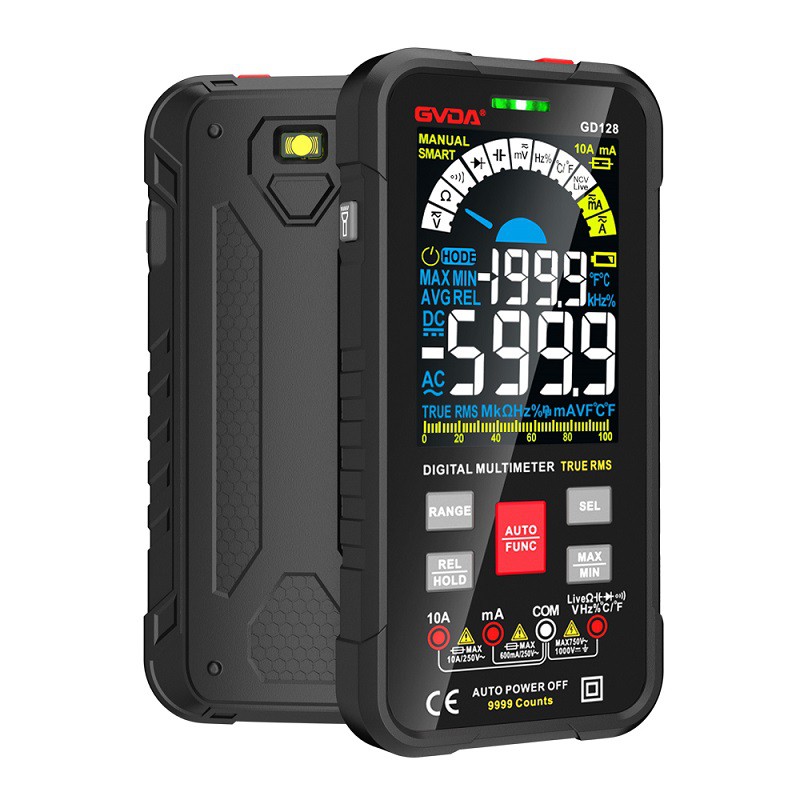
Digital Multimeter Fault Prevention Measures
A digital multimeter (DMM) is an electronic instrument used in electrical measurements. It can have many special functions, but the main function is to measure voltage, resistance and current. Digital multimeter, as a modern multi-purpose electronic measuring instrument, is mainly used in the measurement fields of physics, electricity and electronics.
The function of the multimeter to measure voltage, current and resistance is realized through the conversion circuit part, and the measurement of current and resistance is based on the measurement of voltage, that is to say, the digital multimeter is expanded on the basis of the digital DC voltmeter. The converter converts the analog voltage that changes continuously with time into a digital quantity, and then the electronic counter counts the digital quantity to obtain the measurement result, and then displays the measurement result by the decoding display circuit. The logic control circuit controls the coordinated work of the circuit, and completes the entire measurement process in sequence under the action of the clock.
1. In most cases, the damage of the digital multimeter is caused by the wrong measurement position. For example, when measuring the AC mains, the measurement position is selected to be placed in the electric block. In this case, once the test pen touches the mains, the multimeter can be damaged instantly. Damaged internal components. Therefore, before using the multimeter to measure, be sure to check whether the measurement gear is correct. After use, set the measurement option to AC 750V or DC 1000V, so that no matter what parameter is mismeasured in the next measurement, it will not cause damage to the digital multimeter.
2. Some digital multimeters are damaged because the measured voltage and current exceed the range. If the mains power is measured at the AC 20V gear, it is easy to cause damage to the AC amplifier circuit of the digital multimeter, and the multimeter loses the AC measurement function. When measuring DC voltage, if the measured voltage exceeds the measurement range, it is also easy to cause circuit failure in the meter.
When measuring the current, if the actual current value exceeds the range, generally only the fuse in the multimeter will be blown, and no other damage will be caused. Therefore, when measuring voltage parameters, if you do not know the approximate range of the measured voltage, you should first set the measurement gear to the highest gear, and then change gears to measure after measuring its value to obtain more accurate values. If the voltage value to be measured is far beyond the maximum range that the multimeter can measure, it should be equipped with a high-resistance measuring probe. Such as detecting the second anode high voltage and focusing high voltage of black and white color TV.
3. The upper limit range of DC voltage of most digital multimeters is 1000V, so when measuring DC voltage, the highest voltage value is below 1000V, and generally the multimeter will not be damaged. If it exceeds 1000V, it is very likely to cause damage to the multimeter. However, the upper limit of measurable voltage may be different for different DMMs. If the measured voltage exceeds the range, it can be measured by resistance drop method. In addition, when measuring the DC high voltage of 400 ~ 1000V, the test leads must be in good contact with the measuring place without any jitter, otherwise, in addition to possibly causing damage to the multimeter and making the measurement inaccurate, in serious cases, the multimeter can also be used without any vibration. show.
4. When measuring resistance, be careful not to measure with electricity.