How many of the 10 customs of the Spring Festival do you know?
he Spring Festival, commonly known as "New Year's Day" and "New Year's Day", is a grand and distinctive ancient folk festival in our country, and it is also one of the most lively traditional festivals. The Spring Festival, in a narrow sense, refers to the first day of the first lunar month, the first day of the new year; in a broad sense, the Spring Festival is from the Laba Festival or Xiaonian to the nineteenth day of the first lunar month of the next year. The following are 10 folk customs during the Spring Festival. How many do you know?
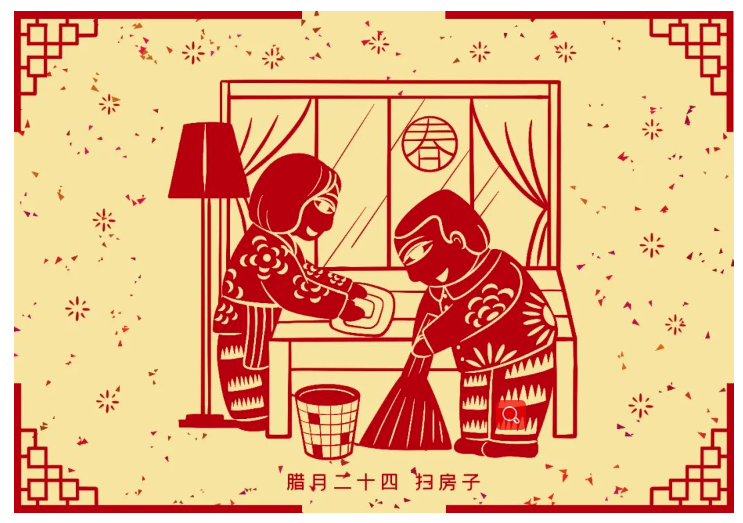
1. Sweeping dust in the New Year According to "Lu's Spring and Autumn" records, as early as the era of Yao and shun, my country already has the custom of sweeping dust during the Spring Festival. Because "dust" and "Chen" are homophonic, sweeping the dust in the New Year has given a new meaning, which means "remove the old and bring out the new", hoping to sweep away all the bad luck and bad luck.
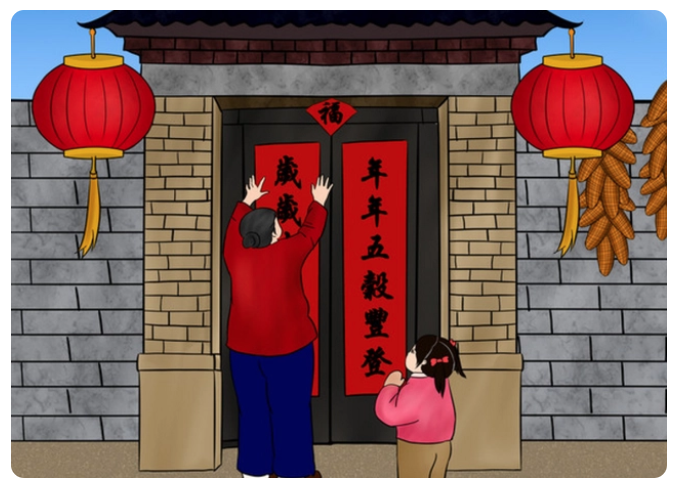
2. Paste couplets, blessing characters, door gods On the afternoon before the Spring Festival, children will step on stools, take paste and brushes, and paste couplets on the door, and then let the adults below see if they are properly pasted. Some also wrote horizontally, pasted on the horizontal head of the lintel, and couplets pasted on the left and right sides of the door. Others paste blessing characters on house doors, walls, and lintels, expressing people's yearning for a happy life. Some people will paste pictures of door gods on the door panels, praying for a safe year and adding to the festive atmosphere.
3. Worshiping ancestors and offering sacrifices to gods Sacrificing gods during the Spring Festival is a custom that spreads all over the east, west, north and south of our country. The customs of offering sacrifices to gods across the country are similar, but the purpose is basically the same. They are all to pray for good weather, abundant grains, good luck and so on in the coming year. Ancestor worship is usually done after offering sacrifices to gods, and the customs vary from place to place. In our hometown, before eating at noon every day, each household sends a representative to bring food and offerings to the ancestral hall to pay homage to the ancestors, which lasts until the first lunar month. Fifteen, the ancestral hall will close.
4. Eat dumplings, glutinous rice balls, rice cakes In most parts of the north, there is a custom of eating dumplings in the morning during the Spring Festival, and a coin is often put in the dumplings. If anyone eats a coin, everyone will say that he is the happiest person in the family that year. In Huaian, Jiangsu, there is a custom of eating glutinous rice balls in the morning. In Kaifeng, Henan, both dumplings and glutinous rice balls are eaten during the Spring Festival. There is also the habit of eating rice cakes during the Spring Festival, and the taste of rice cakes varies from place to place.
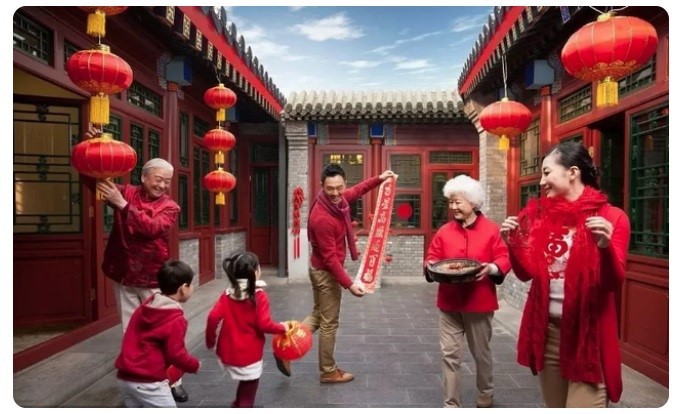
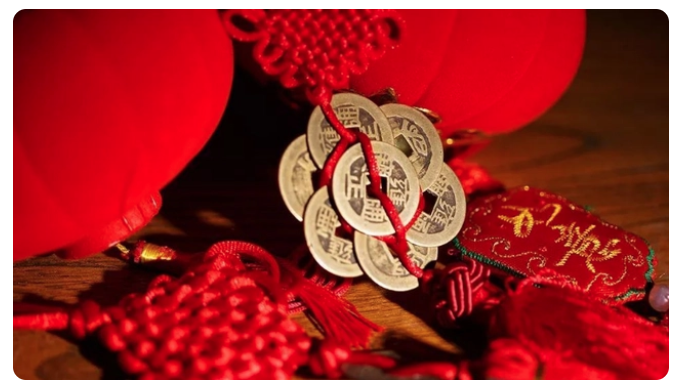
5. Watching the New Year's Eve and giving New Year's money Watching the New Year's Eve is also one of the most important Spring Festival activities. Neighbors and friends get together, or families get together, some play cards, some watch the Spring Festival Gala. Everyone stays up all day long, waiting for the dawn together to welcome the arrival of the New Year. New Year's money is a favorite custom of children and younger generations. After the New Year’s Eve dinner, the elders will present coins to the younger generations respectively, and use red thread to weave copper coins into strings and hang them on the children’s chests, saying that they can suppress evil spirits and drive away ghosts. This custom has been popular since the Han Dynasty. Of course, there are no copper coins anymore, and it is usually cash in a red package.
6. Setting off firecrackers When the Chinese New Year is approaching, the first thing every household does when they open their doors is to set off firecrackers, to bid farewell to the old and usher in the new with the sound of crackling firecrackers, to show auspiciousness. Of course, setting off firecrackers is now prohibited in many places, and we should still abide by national regulations and focus on safety.
7. New Year greetings New Year greetings are one of the most important activities and customs during the Spring Festival. On the morning of the first day of the Lunar New Year, adults and children put on new clothes and hats, visit relatives and friends, greet each other and wish them a happy and prosperous New Year. New Year's greetings usually start at home. After the juniors have finished paying their respects to the elders, when people meet each other when they go out, they will greet each other with smiles on their faces.

8. Visit temple fairs During the Spring Festival, there are usually temple fairs in rural areas. The early temple fairs were just a grand sacrificial activity, but with the development of the economy and people's needs, the temple fair gradually increased the market trading activities and some colorful entertainment activities while maintaining the sacrificial activities.

9, dragon dance, lion dance The dragon is an auspicious animal in the legend. It is said that it can call wind and rain in the sky, and it can also pray for blessings and disasters in the world. As early as the Han Dynasty, there were activities of dancing dragons to pray for rain. In addition to dragon dance, there is also lion dance, which is also a relatively common custom during the Spring Festival. In the north of us, it is also called lion dance. It was often seen when I was a child, but it is rare now.

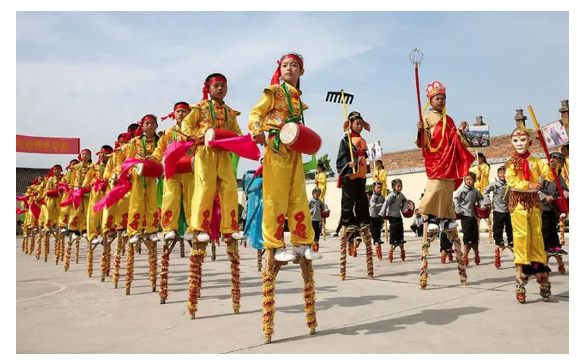
10. Walking on stilts Walking on stilts is also a recreational activity during the Spring Festival. It has a long history. It is recorded in "Liezi. Shuofu Pian": "There are orchids in the Song Dynasty... whose limbs are twice as long as their body, and they belong to their shins, and they drive side by side. "Treading on stilts is also called "tie high feet" or "walking on stilts". The performers tie wooden sticks two or three feet high to their feet and perform all kinds of weird and funny movements. When they were young, they were common in every village. activity, and then less and less.