Reasons for insufficient output voltage of switching power supply
1、 Excessive load current
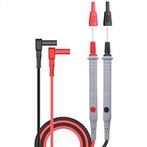
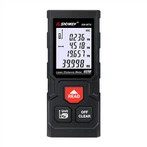
It is possible that the load is too large, exceeding the load capacity of the switching power supply, because the output power of the switching power supply is certain. As the questioner pointed out, the output power is only 36W at 12V3A. If the load current is greater than 3A, the output voltage will be pulled down. Disconnect the load and measure the output voltage of the switching power supply. If the output is still abnormal, it is highly likely that it is an internal fault of the switching power supply; If the output is normal, connect the power supply in series with a Ammeter to measure whether the load current is too large. If the load current is too large, it is due to the insufficient output power of the switching power supply, and the switching power supply with a larger output current needs to be replaced. If the previous output was normal, it indicates that there is a short circuit or other fault in the backend load, causing excessive load current. It can also be connected to a simulated load test with a power of 4 Ω or above and a power of 12W. If the output is normal, there is no problem with the switching power supply; If the output voltage is low, the internal fault of the switching power supply will decrease the load capacity.
2、 Low input voltage
The input voltage range of the switching power supply is relatively wide, usually around 100V~240V. Under normal circumstances, the input AC voltage will not be lower than 100V. This situation is rare, and the input voltage can be measured. It is also possible that the input voltage is low due to faults such as poor circuit contact.
3、 Internal fault of switch power supply
When the no-load output voltage is low or when the no-load output voltage is normally connected to a simulated load of 3A, the voltage is low, which belongs to the internal circuit fault of the switching power supply. Switching power supplies generally have electromagnetic interference filtering circuits (EMI), rectifier filtering circuits, power switches, PWM controller circuits, secondary feedback circuits, overvoltage/undervoltage protection, overcurrent/short-circuit protection circuits, etc.
The basic principle is to first convert 220V AC power into high-voltage DC power through rectification, and then convert it into high-frequency AC signal through PWM pulse width modulation through power drive chips, switch tubes, etc. After being output by high-frequency transformers, and then rectified to obtain DC voltage. Most of the output terminals of switching power supplies will undergo real-time voltage monitoring and feedback through optocouplers, and can be adjusted in real-time when the voltage is high or low. Possible internal circuit faults due to low output voltage of the switching power supply: deterioration of the output feedback diode (short circuit or low voltage stabilization value, etc.), and deterioration of the feedback resistor (such as R4 and R6 in the above figure); The switch tube at the original control end is faulty; When identifying the causes of power drive chip faults (PWM controller circuit), rectifier diode faults, high-frequency transformer faults, etc., step by step measurement and analysis are required.