Usage and precautions of electric soldering iron
Electric soldering iron is an indispensable welding tool in the production and maintenance of electronic products. Electric soldering iron mainly uses electric heating resistance wires or PTC heating elements to generate heat energy, and transfers the heat to the soldering iron head to achieve welding. There are various types of electric soldering irons, including internal heating, external heating, and electronic constant temperature.
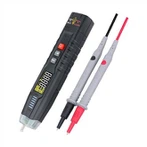
Use. Before using a new electric soldering iron, use a multimeter to measure the resistance value at both ends of the power cord. If the resistance value is zero, it indicates an internal wire collision and should be removed. Disconnect the wire and plug it in again; If the resistance value is infinite, most of the time the soldering iron core or lead wire is broken; If the resistance value is around 3K Ω, plug in the power again, and after a few minutes of power on, pick up the soldering iron and dip it in the rosin. Normally, there should be smoke and a "squeaking" sound. At this time, dip in the tin again and let the tin fully dip in the soldering iron before welding.
Attention: It is necessary to first dip the soldering iron head in rosin before applying electricity to prevent oxidation of the soldering iron head, thereby extending its service life.
Welding. Picking up an electric soldering iron cannot be welded immediately. You should first dip it in rosin or solder paste (soldering oil). (The purpose is to remove the dirt on the soldering iron head, and the second is to test the temperature), and then dip it in tin. Beginners should develop this good habit. The parts to be welded should be coated with a little welding oil first, and the excessively dirty parts should be cleaned first, and then dipped in welding oil to weld. Welding oil should not be used too much, otherwise it will corrode the circuit board and cause difficult to repair faults. Try to use rosin welding as much as possible. After the electric soldering iron is powered on, the placement head of the soldering iron should be higher than the handle, otherwise the handle may burn out easily. If the electric soldering iron overheats, the soldering iron head should be pulled out slightly from the core shell; If the temperature is too low (when the mains voltage is low, it is not easy to melt tin) to ensure welding quality, the soldering iron head can be inserted more inward to obtain a suitable temperature. When welding components such as pipes and integrated circuits, it is important to quickly avoid damaging the components. However, it is necessary to wait for the solder to completely melt into the circuit board and parts before removing the soldering iron, otherwise it will cause false soldering and bring sequelae to the repair.