Case 1
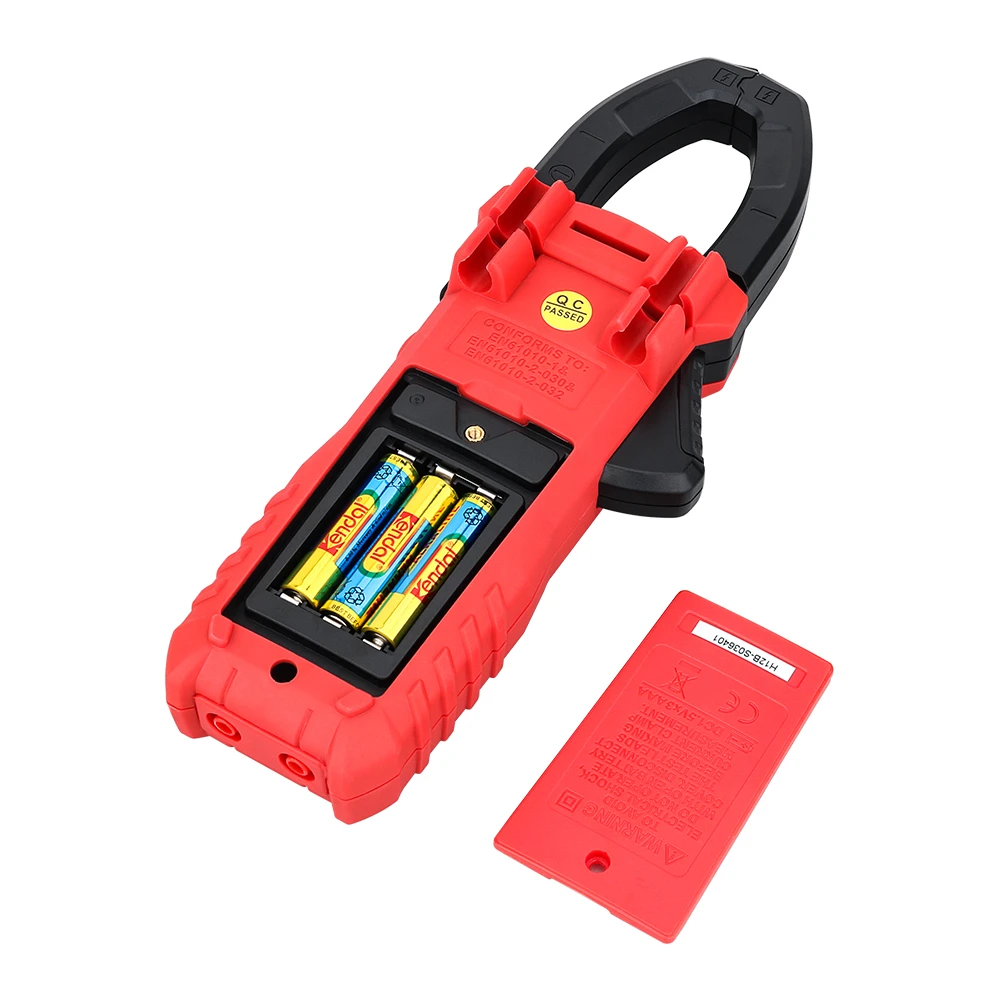
Phenomenon: For an ore crusher, the driving motor is 15kW. After the overhaul of the motor, the no-load operation is normal, but it cannot carry a load. Once the load is added, the motor will overload and trip. After inspection, the mechanics and power supply are normal. The DC resistance of the motor coil is 2.4Ω, 3.2Ω and 2.4Ω respectively; the three-phase no-load current measured with a clamp ammeter is 9A, 5A, and 8.8A, respectively. Fault.
Analysis: Remove the motor end cover and find that one of the wire ends of one phase winding has been loosened and the solder has melted. The motor is double-wired in parallel, one of which is disconnected and the other is still connected, so the torque is reduced, and it can only rotate without load, but cannot carry the load.
Case 2
Phenomenon: There is a motor with a rated power of 13kW, the coil is rewound and the test machine is completed. When the motor is running with no load, the speed is normal. After the load is put on, the motor speed is very slow or even does not rotate. The measured power supply voltage and resistance of each phase are normal, and the three-phase no-load current is basically balanced with a clamp meter, but the current value is small.
Analysis: It is concluded that the winding connection is wrong. Open the end cover and find that the motor with the △ connection is mistakenly connected to the Y connection, so that the normal running torque is too small, and the load cannot be carried, because the torque of the Y connection is one-third of the △ connection.
Case 3
Phenomenon: A machine tool uses a 4kW motor. After the power is turned on, the motor does not rotate and there is only a humming sound. Remove the motor cable, check that there is electricity on the power supply side, the three-phase voltage is also normal, the DC resistance of the winding is also balanced, the insulation is qualified, and the mechanical rotation is flexible. Then measure the no-load current with a clamp ammeter on the motor leads on the lower side of the switch. The result is that there is current in two phases and no current in one phase.
Analysis: Indicates that there is a fault in the wire tube. Pulling out the inner wire of the steel pipe, it was found that a section of the wire was basically broken, facing like two needle tips, and there was white oxide powder at the end of the wire. This is because the pulling force is too large when passing through the tube, the wire is stretched and elongated, and the long-term energization current is caused by heating and oxidation at the seemingly broken part. At this time, the voltage can still be measured on the energized wire, but the current cannot be passed.