About Gas Detector Bump Testing
Before you use the instrument, it is important to make sure that your sensors and alarms are functioning properly. The way they can be determined is to expose the instrument to a known concentration of gas and verify that the instrument is indeed responding properly. Performing a daily bump test before using the instrument can ensure that your gas detector can save your life if it is in danger. Gas detectors also need to be calibrated frequently. Conditions such as temperature, humidity, lifespan and exposure to gas will affect the signal output of the sensor. Calibrating your instrument can compensate for these factors and ensure accurate instrument readings. For maximum accuracy, you need to calibrate your gas detector on a regular basis. This should be calibrated at least once a month.
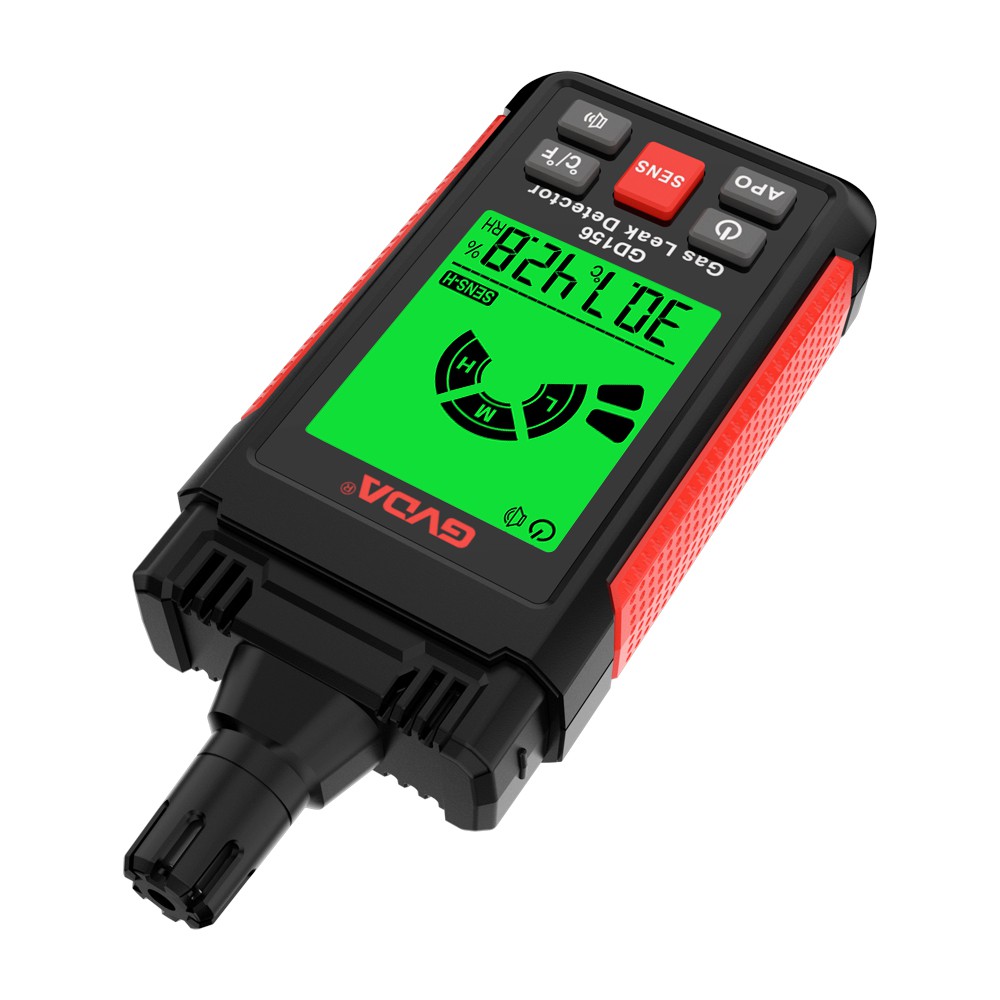
The gas detector is mainly used in flammable gas environment, narrow space, leakage, hypoxia, and toxic gas environment. It is the most safe device in the coal mine industry, which can protect workers from the hazards of flammable and toxic gases. With its strong shell and reliable performance, the gas detector guarantees the personal safety of the staff to the greatest extent. In order to ensure the normal and good working condition of the gas detector, we need to carry out basic maintenance and maintenance measures for it.
1. Try to check the gas detector after working every day, and record the results of each inspection, so as to find and solve problems in time.
2. Wipe the instrument case with a soft cloth. Do not use corrosive chemicals such as solvents, soaps or polishes for cleaning.
3. It is forbidden to immerse the gas detector in liquid.
4. Maintenance requires professional and qualified personnel to operate. Before operation, you must fully understand all the contents of the user manual and operate safely.
5. If the four-in-one gas detector is exposed to combustible gas or a specific environment for a long time, it should be calibrated every day and replaced if necessary.