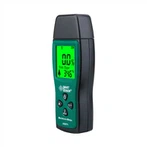
Alarm parameter standards for composite gas detectors
The petrochemical industry is inseparable from gas detectors, among which composite gas detectors are one of the important safety procedures for detecting multiple gases in many devices. This is because many industrial production processes will produce a lot of toxic, harmful or other gases such as ozone. In this case, a composite gas detector is needed to monitor a gas standard. The composite gas detector is a device that can be flexibly configured with a single gas or multiple gases. A portable gas detection alarm device with a gas sensor. So does anyone know what the alarm parameter standards of composite gas detectors are?
The alarm parameter standards of composite gas detectors should comply with the corresponding national standards, and generally have the relevant requirements for first- and second-level alarm values. According to the relevant provisions of the national standard "GBT 50493-2019" for the design standards for flammable gas and toxic gas detection alarms, the alarm value setting of the composite gas detector should meet the following conditions:
1. The first-level alarm setting value of combustible gas should be less than or equal to 25% LEL.
2. The secondary alarm setting value of combustible gas should be less than or equal to 50% LEL.
3. The first-level alarm setting value of toxic gas should be less than or equal to 100% OEL, and the second-level alarm setting value of toxic gas should be less than or equal to 200% OEL. When the measurement range of the existing detector cannot meet the measurement requirements, the first-level alarm setting value of toxic gases shall not exceed 5% IDLH, and the second-level alarm setting value of toxic gases shall not exceed 10% IDLH.
4. The overoxygen alarm setting value of ambient oxygen should be 23.5% VOL, and the ambient hypoxia alarm setting value should be 19.5% VOL.
5. The first-level alarm setting value of linear combustible gas measurement should be 1LEL·m; the second-level alarm setting value should be 2LEL·m.
Among them, LEL represents the lowest explosive limit concentration value of flammable gas; OEL is the exposure limit value of occupational harmful factors, which refers to the allowable exposure level that does not cause acute or chronic harmful health effects to the body during long-term and repeated exposure of workers in occupational activities. Occupational exposure limits for chemical factors can be divided into three categories: time-weighted average allowable concentration PC-TWA, maximum allowable concentration MAC and short-time exposure allowable concentration PC-STEL; IDLH refers to the concentration of air pollutants in a harmful environment reaching a certain dangerous level. If it can be fatal, it can permanently damage health or it can make people immediately lose their ability to escape.
The above alarm parameter standards for composite gas detectors are shared here. Composite gas detectors have the advantages of fast speed, high measurement accuracy, good stability and repeatability, and are widely used in petroleum, gas, chemical industry, etc. In the industry, it is an important instrument to ensure production and personal safety.