Analysis of several industry applications of night vision devices
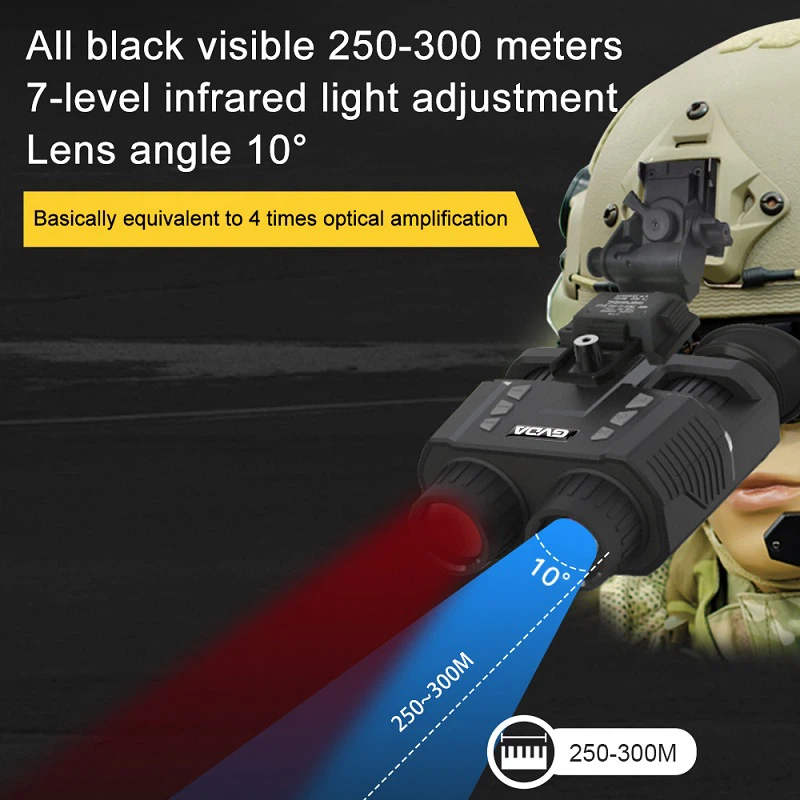
At present, night-vision technology has been widely used in the search for and rescue of missing persons, the search for fugitives, narcotics control and surveillance of the neighbourhood, and has become an indispensable tool in law enforcement. In the designers and staff efforts, night-vision technology, especially thermal imaging technology is becoming more and more widely used, on the current use, summed up more than a dozen, has been widely recognised as several police often used are:
1. building contour display
Nowadays, drug enforcement operations are becoming more and more complex, many places of the first planting is also transferred from outdoor to indoor, which adds a lot of trouble to the law enforcement officers to investigate and collect evidence. The use of night-vision technology solves this problem because indoor grows are illuminated with large 1-kilowatt halogen lamps to provide the light and heat needed for growth. These lamps heat the inside of the building at the same time. Heat is radiated to the outside surfaces of the building and can be seen to evaporate through the thermal imaging camera, thus assisting the police in drug enforcement operations. 2.
2. Rescue missions, search for fugitives
Microscopes and thermal imaging cameras can be used to search for missing persons or fugitives overnight. People are strong emitters of heat and can be easily located with a thermal imaging camera. The use of thermal imaging cameras also makes it possible to find people hiding in concealed objects. For example, when the Georgetown Police Department was escorting two criminals, the criminals escaped due to negligence and the police immediately began a manhunt. One of them fled to a grassy area and hid. On three occasions, the police passed by the place where the criminals were hiding and could not find them by torch. *The offenders were later apprehended in just 25 seconds using a hand-held thermal imaging camera manufactured by the Raisinon Company.
3. Ensuring the safety of police officers
The use of night-vision technology police officers can find suspects at night, but they are not seen. In one such case in California, DEA law enforcement officers used thermal imaging cameras to monitor a group of suspected clandestine drug makers who were operating out of their mountain strongholds. Every night they would come out to look for the police who were watching them in the woods. The officers used thermal imaging cameras in the woodland to keep themselves undetected by the gangsters and to ensure their own safety.
4. Vehicle tracking
Vehicles emit a lot of heat both during and after use. Heat radiation comes not only from the engine, but also from the tyres, brakes and exhaust pipes. A police helicopter equipped with a thermal imaging camera can track a suspect's vehicle from the air, even when it does not have its lights on. Patrol cars equipped with on-board thermal imaging cameras can also track suspect vehicles that have entered a car park or have moved away by detecting heat from a vehicle that has just been switched off.