Analysis of the advantages and disadvantages of different gas detection systems
1. Definition of multiple gas detectors:
An instrument that can measure gas components that are at least larger than one gas detection object as a standard, commonly known as a multi gas detector, also known as a composite, multifunctional gas detector, etc.
2. Product Usage:
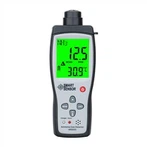
Choosing a portable multi gas detector that can simultaneously measure the concentration of multiple gases is generally preferred. This is mainly due to its convenient use and low frequency of use. If maintenance or return to the factory repair occurs, it will not affect its use. Therefore, there are multiple portable and handheld gas detection alarm instruments that can simultaneously measure multiple components.
These types of products usually have a built-in suction pump that can draw distant gases into the detection chamber of the instrument through a sampling pump for concentration measurement. Fast response, high sensitivity, with functions such as data storage. Of course, there are also a few diffusion type composite gas detectors.
3. The main types of gas combinations:
This type of multifunctional gas detection instrument product is generally freely and flexibly combined according to needs. Common combination components include four in one, combustible gas, oxygen, carbon monoxide, hydrogen sulfide, and other commonly used combinations. This is not the only one that can be combined with gas components such as ammonia, formaldehyde, sulfur dioxide, and so on.
4. Advantages of using multiple gas detectors:
It can simultaneously detect different components and gases, reducing detection time.
The product has a high cost performance ratio, with one central unit and multiple detection unit sensors to save costs.
Integrated integration, convenient product portability, small size, small quantity, and one machine to complete multiple component measurements.
5. What are the drawbacks of the product?
Due to the complexity of the product, the biggest drawback is that once the equipment malfunctions, all gas unit detection cannot be performed and must be returned to the factory for repair. This is the biggest drawback compared to single component, portable single gas detectors. So it is more suitable for portable instruments rather than fixed composite gas detection instrument systems with continuity, high efficiency, and high stability. Because fixed pursuit is stability, even in the event of a malfunction, we hope to minimize the impact and effectively ensure the continuous, stable, and comprehensive operation of the system.
Single machine power consumption is high, and generally portable instruments use battery charging and discharging time more frequently. The above two points are the drawbacks of various composite gas detectors. Therefore, users can choose the product type reasonably based on their own usage situation, whether to choose a single gas detector or a gas detector that can measure multiple components simultaneously. The final decision will depend on the project situation and usage characteristics.