Analysis of the occurrence of faults based on the principle of combustible gas detectors
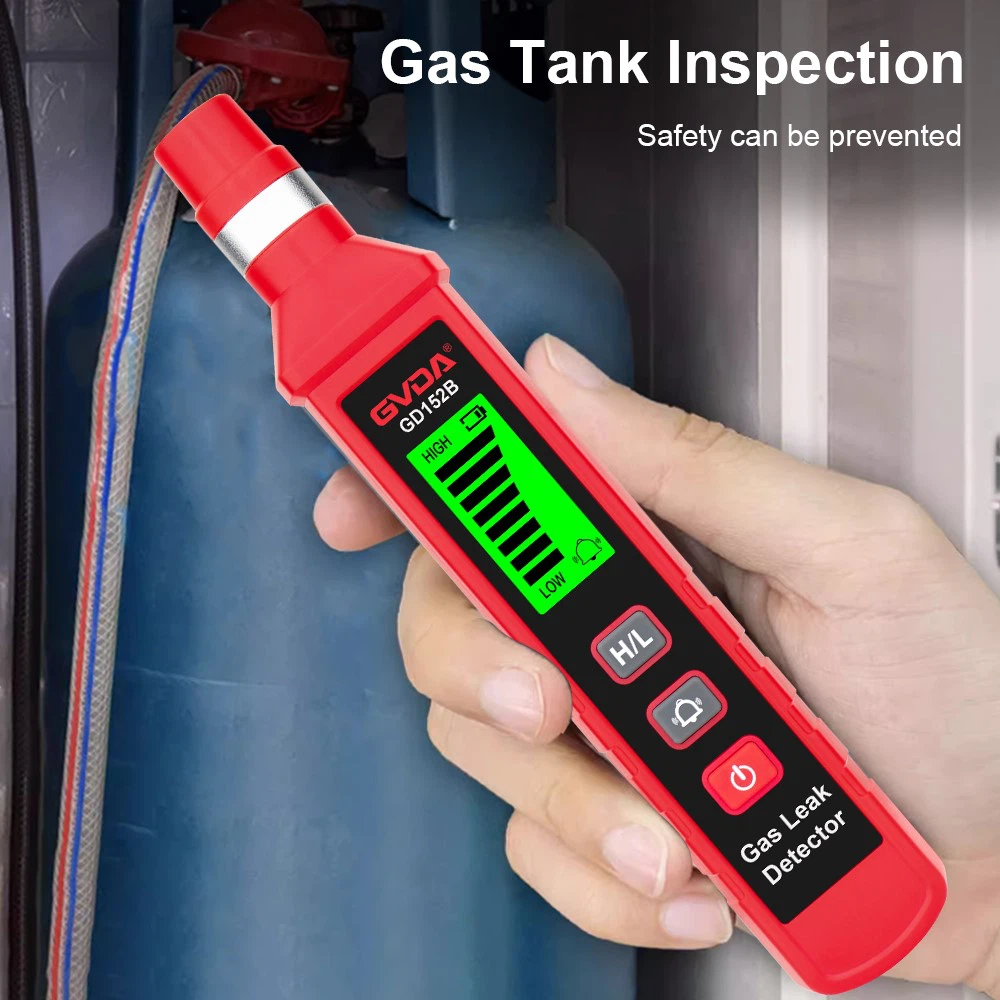
1. Use and maintenance of combustible gas detectors Combustible gas detectors are detectors installed and used in industrial and civil buildings that respond to single or multiple combustible gas concentrations. The most commonly used combustible gas detectors are catalytic flammable gas detectors and semiconductor flammable gas detectors. Semiconductor-type flammable gas detectors are mainly used in restaurants, hotels, home studios and other places that use gas, natural gas, and liquefied gas. Industrial places that emit flammable gases and combustible steam mainly use catalytic-type flammable gas detectors.
2. The catalytic combustible gas detector uses the resistance change of the refractory metal platinum wire after heating to measure the concentration of combustible gas. When combustible gas enters the detector, it causes an oxidation reaction (flameless combustion) on the surface of the platinum wire. The heat generated increases the temperature of the platinum wire, and the resistivity of the platinum wire changes. Therefore, when encountering factors such as high temperature, When the temperature of the platinum wire changes, the resistivity of the platinum wire changes, and the detected data will also change.
3. Semiconductor combustible gas detector uses the change of semiconductor surface resistance to measure the concentration of combustible gas. Semiconductor flammable gas detectors use gas-sensitive semiconductor components with high sensitivity. When it encounters combustible gases in its working state, the semiconductor resistance drops, and the drop value has a corresponding relationship with the concentration of combustible gases. Use and maintenance of combustible gas detector
4. The flammable gas detector consists of two parts: detection and detection, and has detection and detection functions. The principle of the detection part of the flammable gas detector is that the sensor of the instrument uses a detection element, a fixed resistor and a zero-adjusting potentiometer to form a detection bridge. The bridge uses platinum wire as a carrier to catalyze the element. After power is applied, the temperature of the platinum wire rises to the operating temperature, and the air reaches the surface of the element through natural diffusion or other methods. When there is no flammable gas in the air, the output of the bridge is zero. When the air contains flammable gas and diffuses to the detection element, flameless combustion occurs due to catalysis, which increases the temperature of the detection element and increases the resistance of the platinum wire. , causing the bridge circuit to lose balance, thereby outputting a voltage signal. The magnitude of this voltage is proportional to the concentration of flammable gas. The signal is amplified, analog-to-digital converted, and the concentration of flammable gas is displayed on the liquid display. The principle of the detection part is that when the measured flammable gas concentration exceeds the limit value, the amplified bridge output voltage and circuit detection set voltage, through the voltage comparator, the square wave generator outputs a set of square wave signals to control the sound. Light detection circuit, the buzzer produces continuous sound, the light-emitting diode flashes, and sends out a detection signal. From the principle of combustible gas detectors, it can be seen that if electromagnetic interference occurs, it will affect the detection signal and cause data deviation; if there is a collision or vibration that causes the equipment to be disconnected, detection failure will occur; if the environment is too humid or the equipment has water ingress, it may also occur. This may cause a short circuit in the flammable gas detector, or the circuit resistance value may change, causing detection failure.