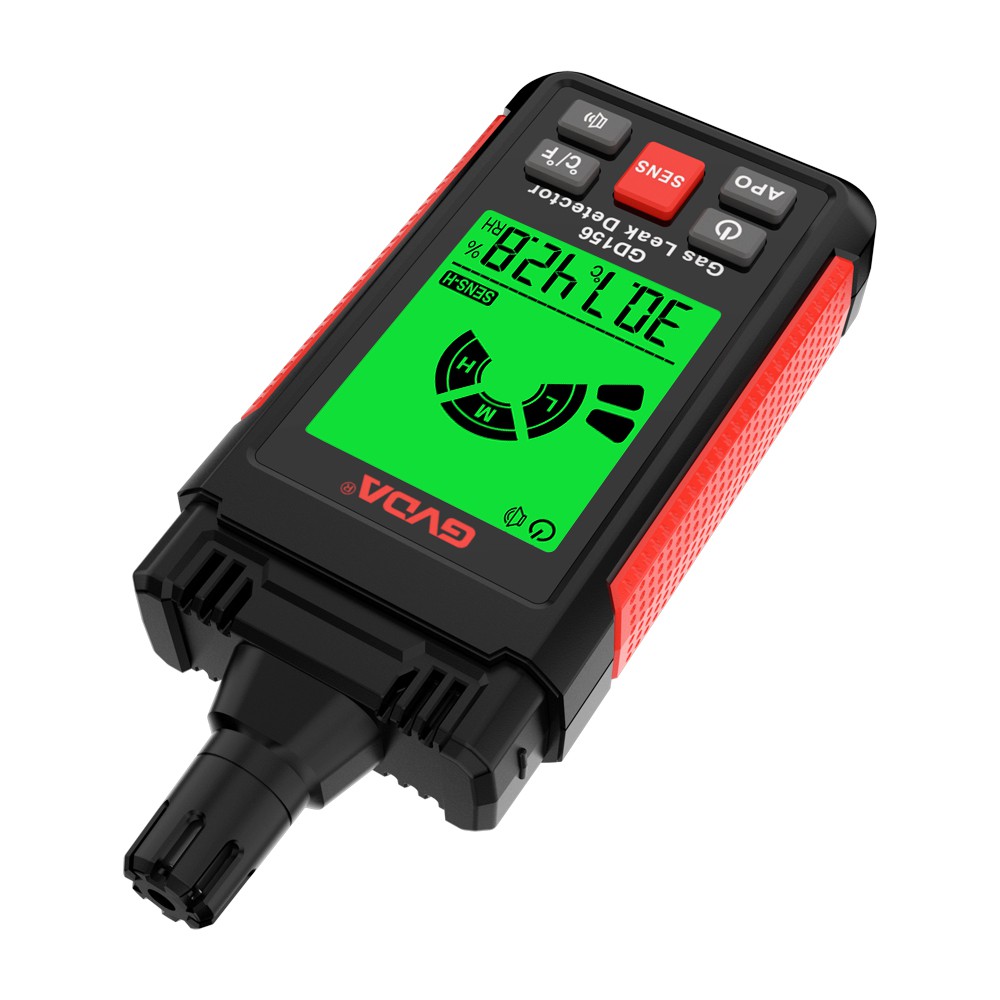
Application of Gas Detectors in Underground Pipe Corridors
Urban underground comprehensive pipe gallery is a municipal utility facility built underground for municipal utility pipelines, which implements unified planning, design, construction, and maintenance. During the construction process, workers are actually working in a closed environment or confined space, and occupational hazard protection for confined space operations is particularly important. The organic and inorganic substances contained in domestic sewage and industrial wastewater transported through pipelines and drainage pipelines, under anaerobic conditions in closed pipelines, can produce various toxic, harmful, flammable, and explosive gases, such as hydrogen sulfide, methane, carbon monoxide, etc. When the gas reaches a certain concentration, it can cause personal injury to workers and explode when encountering open flames, Causing impact on the environment or harming surrounding people.
There are several situations for municipal and public utilities: gas supply safety inspection, leak detection, and the generation of combustible gas (CH4), hydrogen sulfide (H2S), etc; Fossil fuel powered equipment can produce nitric oxide (NO), nitrogen dioxide (NO2), etc.
Hazardous gases:
The urban comprehensive pipe gallery is located underground and is mainly used to accommodate urban engineering pipelines. Under poor ventilation or long-term semi enclosed conditions, the oxygen content is thinner than in the atmosphere due to environmental impact. Due to hypoxia, substances in the sewer and pipe gallery will ferment to produce hydrogen sulfide (H2S), ammonia (NH3), methane (CH4), and carbon monoxide (CO) gases. Hypoxic environments are quite dangerous for inspectors, ranging from dizziness, headache, tinnitus, dizziness, weak limbs, to difficulty breathing, cardiac arrest, and even suffocation to death. Hydrogen sulfide (H2S), ammonia (NH3), and carbon monoxide (CO) are toxic gases that can irritate the human respiratory tract and are prone to inhalation poisoning, resulting in symptoms such as dizziness, nausea, vomiting, and coma. In severe cases, they can lead to shock or even death. Methane (CH4) is a flammable and explosive gas, with a high concentration in the environment, which may form explosive mixtures and directly threaten the safety of the pipeline gallery itself.