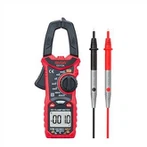
Application plan for coating thickness testing on wood boards
Coating thickness testing on wood and wooden boards has various applications, mainly to ensure the quality, performance, and appearance of coatings, as well as the durability and reliability of wood products. There are many application scenarios for thickness measurement of coatings on wooden boards, such as the following:
Furniture manufacturing: In the furniture manufacturing process, wood surfaces are usually coated with paint or coatings to enhance appearance and protective properties. Measuring the coating thickness can ensure a uniform and consistent appearance of furniture, while ensuring the durability of the coating and preventing corrosion and wear.
Interior decoration: For coatings on interior wood surfaces, such as floors, wall panels, and cabinets, the thickness of the coating affects its appearance and texture. The correct coating thickness can ensure a smooth, consistent, and durable wood surface.
Architectural use: In wood construction, coatings can be used to increase the waterproof performance and durability of wood. Measuring the thickness of the coating helps to ensure that it meets the design requirements, thereby providing long-term protection.
Outdoor use: When wood is used in outdoor places, it will be affected by sunlight, wind and rain, and temperature changes. Measuring the thickness of the coating helps to ensure that the coating effectively protects the wood from the influence of the external environment.
Art and Handicrafts: In the production of wood art and handicrafts, coatings can be used to decorate and protect the surface of wood. By measuring the thickness of the coating, it can be ensured to achieve the desired appearance effect.
Repair and Maintenance: When maintaining and repairing wood products, measuring the coating thickness can help determine whether re coating is necessary and whether local coating damage needs to be repaired.