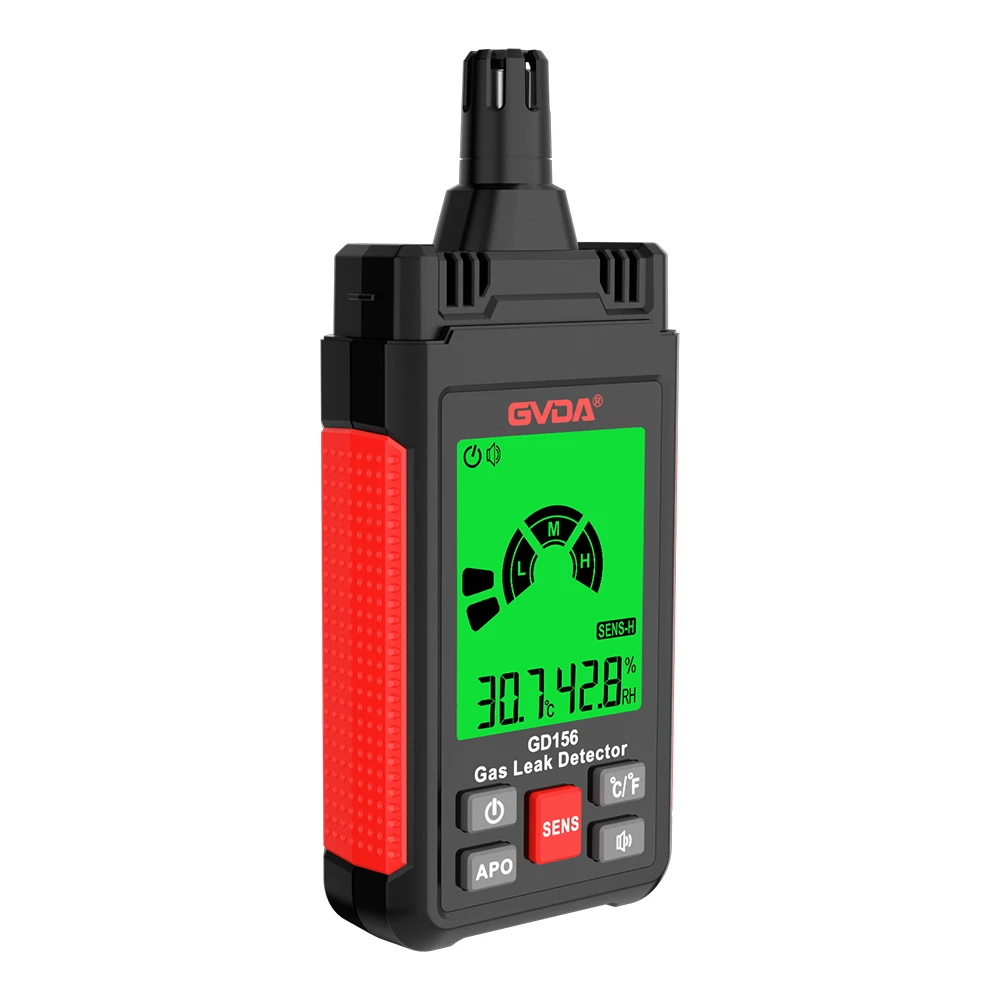
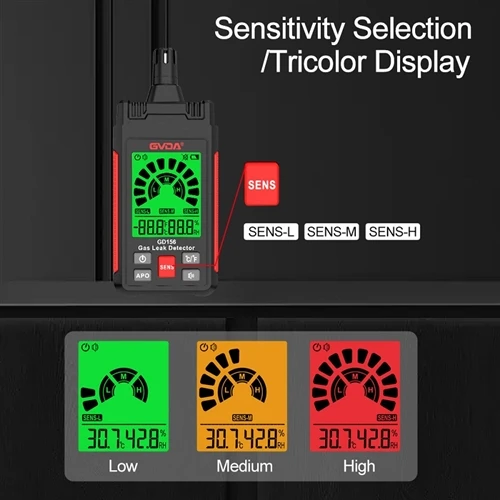
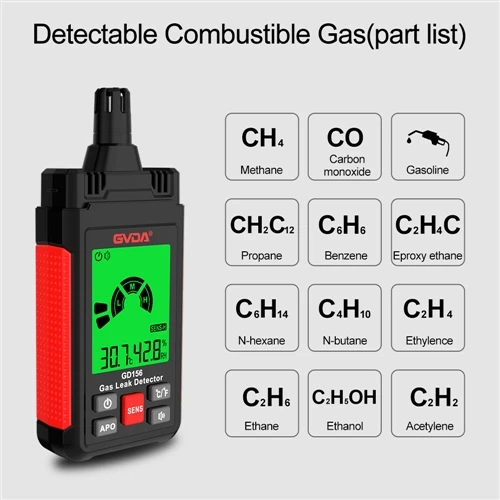
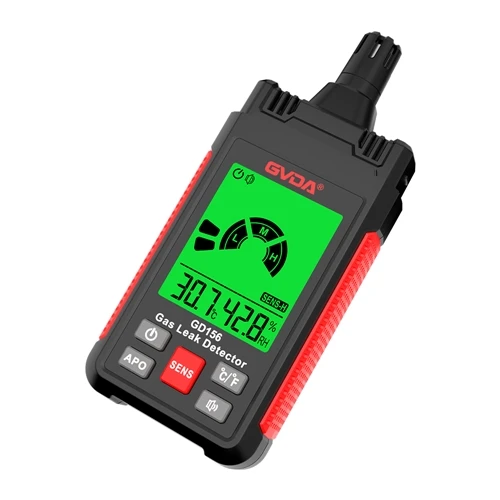
Catalytic Combustion Gas Detector Sensor
This sensor features a high-temperature resistant catalyst layer coated on the surface of a platinum resistor. At a specific temperature, flammable gases undergo catalytic combustion on its surface. The combustion raises the temperature of the platinum resistor and causes resistance variation, whose magnitude corresponds to the concentration of flammable gases.
Catalytic combustion gas sensors are designed for selective detection of flammable gases. They can detect all combustible substances and produce no response to non-combustible ones. Although there are numerous exceptions to this rule, such selectivity holds true in general cases.
These sensors deliver accurate measurement, fast response and long service life. Their output is directly linked to explosion hazards in the surrounding environment, making them the mainstream sensors in gas detection applications.
Disadvantages: They show no specific selectivity among different flammable gases. Operating with invisible combustion poses potential ignition and explosion risks. Moreover, most elemental organic vapors can poison and damage the sensor.
Major suppliers of such sensors are located in China, Japan and the United Kingdom, where this technology was originally invented. Currently, China is the largest user, especially in coal mines, and boasts leading manufacturing technologies for these sensors. Despite misleading promotion by various distributors, domestic manufacturers remain the core producers of catalytic combustion gas sensors worldwide.