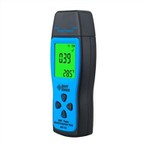
A digital multimeter is a measuring instrument that uses the analog/digital conversion principle to convert the measured value into digital quantities and display the measurement results in digital form. Compared with the pointer multimeter, the digital multimeter has the advantages of high precision, fast speed, large input impedance, digital display, accurate reading, strong anti-interference ability, and high degree of measurement automation, so it is widely used.
In most cases, damage to the DMM is caused by the wrong measurement gear. For example, when measuring AC mains, the measurement gear is selected to be placed on the electric block. In this case, once the meter pen touches the mains voltage, the internal components of the multimeter will be damaged in an instant. Therefore, be sure to check whether the measurement gear is correct before using the multimeter to measure. After use, set the measurement selection to AC 750V or DC 1000V, so that no matter what parameter is wrongly measured in the next measurement, it will not cause damage to the digital multimeter.
The damage of some digital multimeters is caused by the measured voltage and current exceeding the range. For example, measuring the mains voltage in the AC 20V gear can easily cause damage to the digital multimeter's AC amplifier circuit and make the multimeter lose its AC measurement function. When measuring DC voltage, the measured voltage exceeds the measurement range, which is also likely to cause circuit failure in the meter. When measuring the current, if the actual current value exceeds the range, generally only the fuse in the multimeter will blow, and no other damage will be caused.