Common Operational Fault Analysis of Gas Detectors
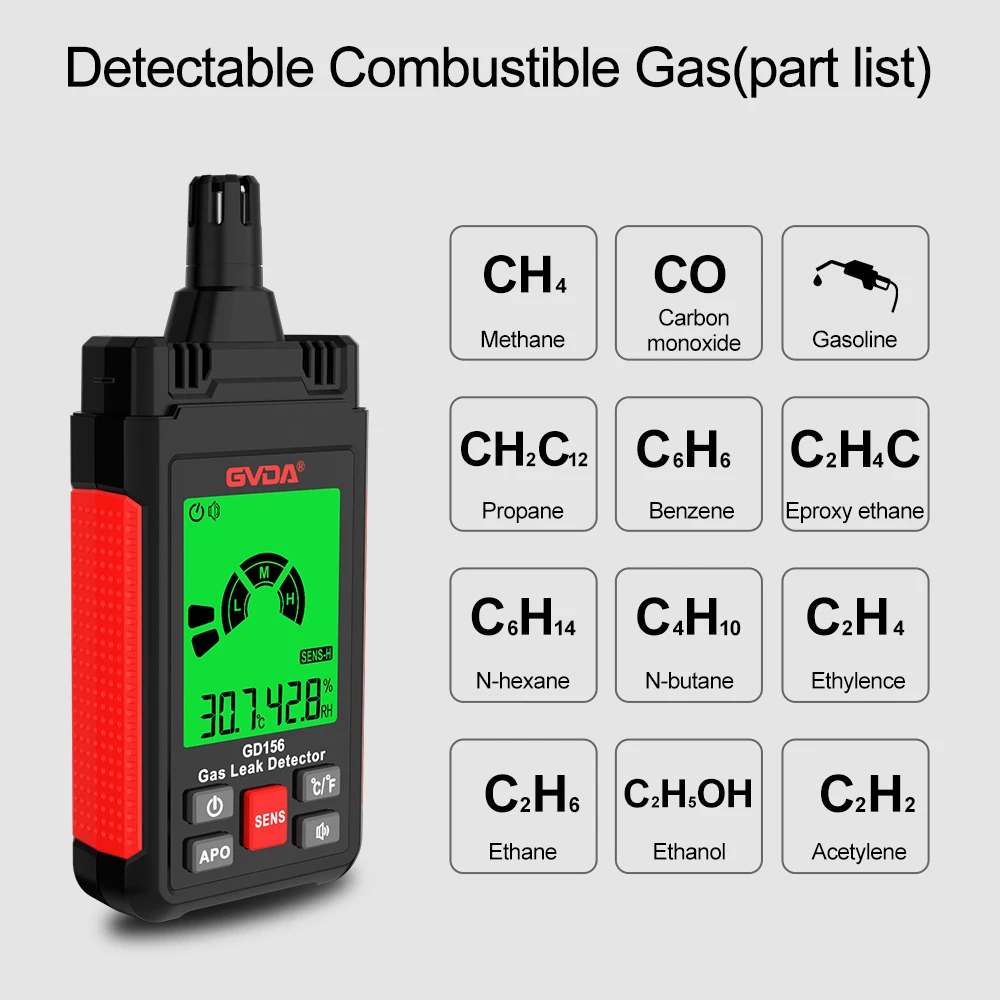
When we need to detect the concentration of gases in the air, we should use a gas detector. As gas detectors are affected by various factors during use, if the usage method is not careful, it may malfunction. After the instrument malfunctions, the detection results may deviate, which needs to be noted.
Common causes of gas detector malfunctions
If the sensor in the gas detector is damaged, regardless of any changes in gas concentration in the air, the displayed data will not show any further changes. In order to ensure the normal operation of the gas detector, it is necessary to conduct regular and rapid testing. Otherwise, it may cause measurement results to deviate.
2. Adverse environments and severe vibrations can cause damage to the instrument. If the gas concentration in the current environment exceeds the detectable range of the instrument, it will also damage the sensor. And the filtration membrane and sensor port can also be contaminated by liquids, impurities, or dust, which can seriously affect the measurement accuracy. At this point, it may lead to calibration failure.
3. The detection environment is harsh, with large temperature differences, or requires long-term exposure to seawater or humid environments, which have high requirements for the stability of gas detectors. Long term use in these environments may cause gas detectors to malfunction, and general instruments cannot be used in such extreme environments for a long time.
Maintenance methods for gas detectors
1. When using the instrument, it is necessary to check the gas flow rate passing through the instrument. Generally, the gas flow rate is 30/h. If the flow rate is too large or too small, it will have a significant impact on the measurement results.
2. After using the instrument for a period of time, it is necessary to replace the filter paper in a timely manner: stop the suction pump and drain the filter tank.
3. It is necessary to check whether there is any air leakage in the gas system of the instrument, whether the diaphragm of the sobbing pump is damaged, whether the sealing ring of the sampling probe is broken, whether the four-way valve, condensing steam and other components are damaged, etc
4. Clean the sampling probe and unclog the sampling hole pipeline
5. Check if the operation status of the condenser is normal. Generally, it is necessary to adjust its temperature within the range of 3 degrees Celsius
6. Check if the measuring device components are dirty and need to be cleaned in a timely manner.