Common Pitfalls in Selecting Toxic & Hazardous Gas Detectors
More emphasis is placed on the detection of combustible gases than toxic gases. ② More attention is paid to gases that may cause acute poisoning than those leading to chronic poisoning.
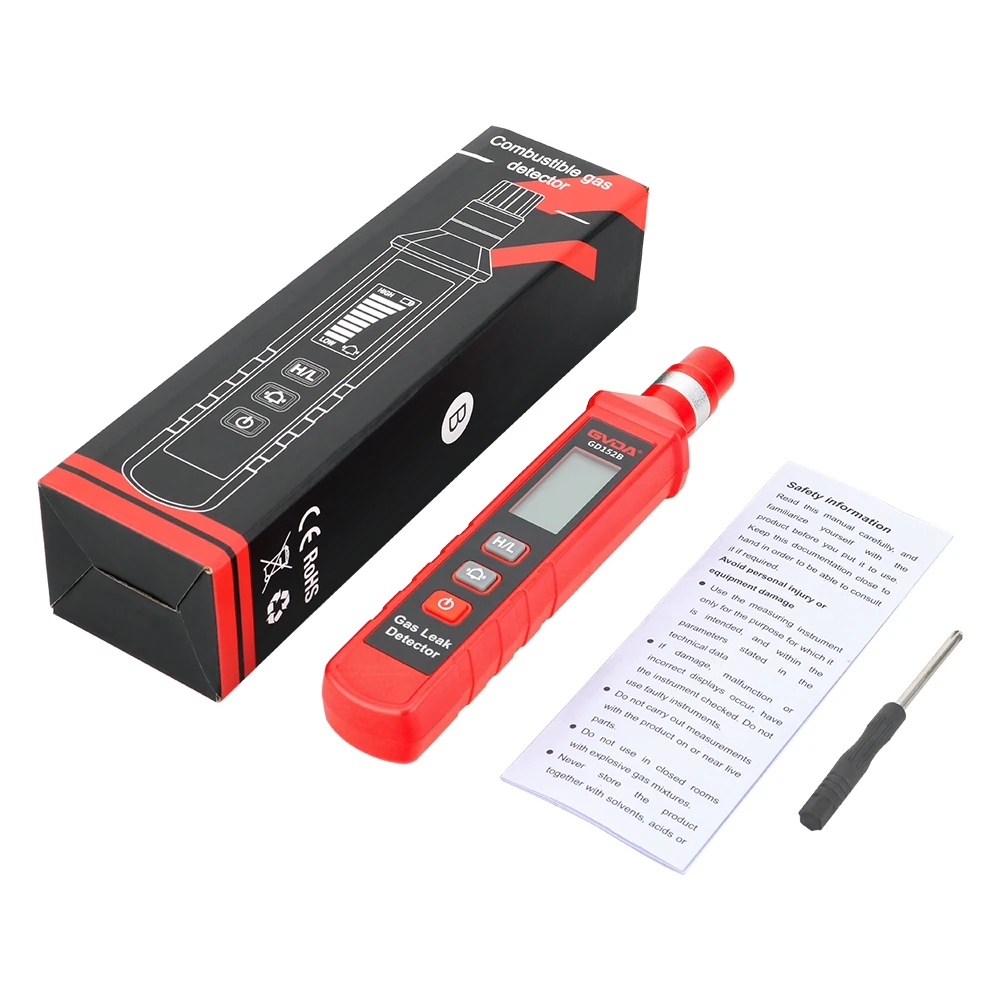
Lessons learned from fatal explosion accidents caused by numerous combustible gas leaks have made people attach great importance to combustible gas detection. In petrochemical and chemical plants, the vast majority of hazardous gas detectors deployed are LEL detectors. However, relying solely on LEL detectors is far from sufficient to fully safeguard workers' safety and health.
Admittedly, most volatile hazardous substances are combustible gases, yet catalytic combustion LEL detectors are not the optimal solution for all flammable gases. Such detectors are calibrated specifically for methane and deliver poor detection performance for other compounds. Accordingly, the detectable lower explosive limit of other combustible gases displayed on LEL instruments is far higher than their permissible occupational exposure limits. For instance, it is extremely risky to rely only on combustible gas detectors for toxic hazardous gases such as benzene and ammonia. The lower explosive limit of benzene is 1.2%, and its correction factor on an LEL detector is 2.51.
This means an LEL device calibrated with methane only reads 40% of benzene's actual concentration. The minimum alarm concentration of benzene triggered by the LEL detector is 10%LEL = 10% × 1.2% × 2.51 = 3.0×10⁻³, which is nearly 600 times higher than the permissible exposure limit of 5×10⁻⁶ for benzene.
Similarly, the LEL alarm concentration of ammonia is 1.5×10⁻², roughly 600 times its allowable concentration of 2.5×10⁻⁵. Therefore, selecting dedicated toxic gas detectors tailored to target gases is far safer and more reliable than simply adopting universal LEL detectors.
Furthermore, industries currently focus heavily on gases that induce acute poisoning, such as hydrogen sulfide and hydrocyanic acid, while insufficient attention is given to substances causing chronic poisoning, including aromatic hydrocarbons and alcohols. In fact, the hazards posed by chronic toxicants to workers' physical well-being are no less severe than those of acute toxic gases. They may trigger cancer and other latent illnesses, impairing workers' long-term health and life expectancy. Apart from insufficient awareness, the historical lack of qualified detectors capable of measuring low-concentration organic vapors in the market has also contributed to this problem.