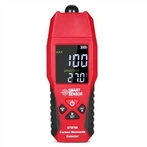
Common reasons for an incorrect reading from a moisture meter are
Check your calibration
Is the moisture meter set to the correct calibration? Especially if you want to read various materials, you need to ensure that the moisture meter that needs to be measured has been calibrated. When using a moisture meter, each meter is pre installed with many calibration components, but it is important to ensure that the correct calibration component is selected.
Improper calibration can seriously affect your readings. Even if using a grain moisture meter with incorrect grain calibration, such as using barley instead of corn as an example, it can result in inaccurate readings.
Check to ensure that you have the correct calibration settings and are using the correct instruments for your work. For example, a cement moisture meter will not provide you with the correct paper or wood reading.
Proper storage
Is the moisture meter properly stored after use? And wipe with a dry cloth after each use to remove excess moisture, which can cause rusting. Properly storing and drying the moisture meter can extend its service life and provide you with good results time and time again.
Although electric meters are durable and can be used on site for many years, accidents may still occur. Storing a moisture meter can prevent problems caused by water, or prevent damage to the meter due to dropping or crushing. If you think the instrument panel has been damaged to some extent, please let us know! We hope to ensure that you have accurate instruments in the market.
Damaged sales
Is the pin of the instrument intact? If the pins of the universal moisture meter are exposed to the components, they will eventually rust or potentially be damaged. While making the meter durable, sometimes your meter may require new pins to obtain accurate readings. Check your instrument, especially the pins, for any impact damage, rust, or other issues that may interfere with the contact between the instrument and the sample.
Using the correct sample
Conduct testing in several areas to ensure that you have an understanding of the changes throughout the entire product, especially when dealing with large quantities of products. For example, if you want to check if a bunch of good woodworking products have adapted to their indoor environment, you need to check multiple areas on several pieces of wood.
If reading grains and seeds, it is necessary to ensure that they have cooled down after the drying process. Obtain readings from multiple locations throughout the entire batch. Waiting for the concrete slab to dry or solidify? Check in multiple locations.