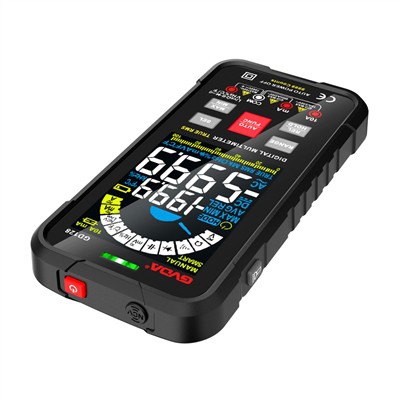
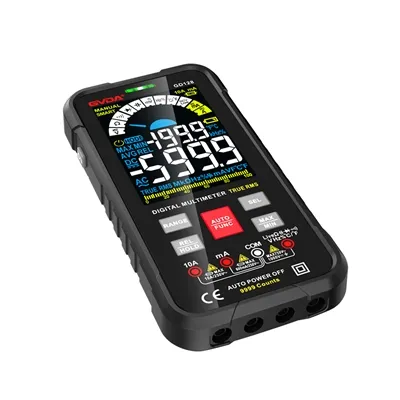
Components and Functional Characteristics of Toxic Gas Detectors
Sensors: Sensors are the core components of toxic and harmful gas detectors. Common sensors include electrochemical sensors, optical sensors, etc., which can detect different types of toxic and harmful gases. With the continuous development of technology, current sensors have high sensitivity, high precision, and long service life.
Control circuit: The control circuit is the "brain" of the toxic and harmful gas detector. It can process, analyze, and determine whether the data collected by sensors has reached the alarm value. Once the alarm value is reached, the control circuit will trigger the sound and light alarm device to give an alarm prompt. At the same time, some high-end toxic and harmful gas detectors also have functions such as data storage and remote transmission, making it convenient for users to view monitoring data anytime and anywhere.
Appearance design: Considering the diversity of usage scenarios, toxic and harmful gas detectors usually adopt a lightweight and sturdy shell design for easy carrying and operation. Some brands of toxic and harmful gas detectors also have waterproof and dustproof functions designed in a very detailed manner, which is not only convenient to use but also allows the equipment to work stably for a long time. In addition, some brands of portable oxygen detectors have special appearance designs that can be integrated into various different usage environments without appearing abrupt.
The components and functional characteristics of the toxic gas detector mentioned above are shared here. The toxic gas detector provides efficient and accurate air quality monitoring solutions for environmental protection departments through various gas detection and alarm, real-time monitoring and data recording, system integration and remote control, as well as regular maintenance and calibration.