DC voltage
DC voltage refers to a voltage whose magnitude and direction do not change with time.
In a DC circuit, the voltage applied across the power supply, across a circuit, and across components is the DC voltage. For example, the voltage across the flashlight battery and across the light bulb is DC voltage. Due to the existence of the series-parallel relationship, the parallel phenomenon of electrical equipment increases (resistor parallel connection has a shunt effect). There is a shunt current in the parallel branch, and when the shunt current passes through the electrical load, a "shunt voltage" is generated (the value of the shunt voltage is equal to the product of the branch current and the branch resistance). For example, the test voltage and current in the multimeter can change the range by using the voltage division of the resistors in series and the shunt of the resistors in parallel. The selected voltage level is extremely complicated. In fact, choosing a higher voltage can indeed save a lot of wires and energy. However, it will increase the cost of switches or electronic components, and it will not save much money. If we choose 100-120VAC when we start to develop electricity, it will reduce a lot of money in terms of electrical appliances that directly use the rectifier circuit, and it will be safer, and even the source of power line interference will be reduced a lot.
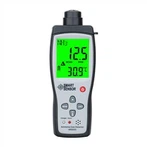
The principle of measuring voltage with a multimeter