Detection and Analysis of Indoor Carbon Dioxide Content by Carbon Dioxide Detector
During the classroom heating period, the temperature, humidity, and carbon dioxide concentration in the air were tested and investigated on the spot, and representative samples were selected, and the collected samples were calculated and analyzed, and the main reasons affecting the air quality were obtained. It is the excess of carbon dioxide concentration, the lack of ventilation and the overcrowding of classrooms, and propose solutions. Using the process and method of carbon dioxide detector experiment and sample analysis, use the data to explain how to improve the air quality of the classroom, and point out the ideal state after improvement, so as to provide a good learning environment and finally achieve a good teaching effect.
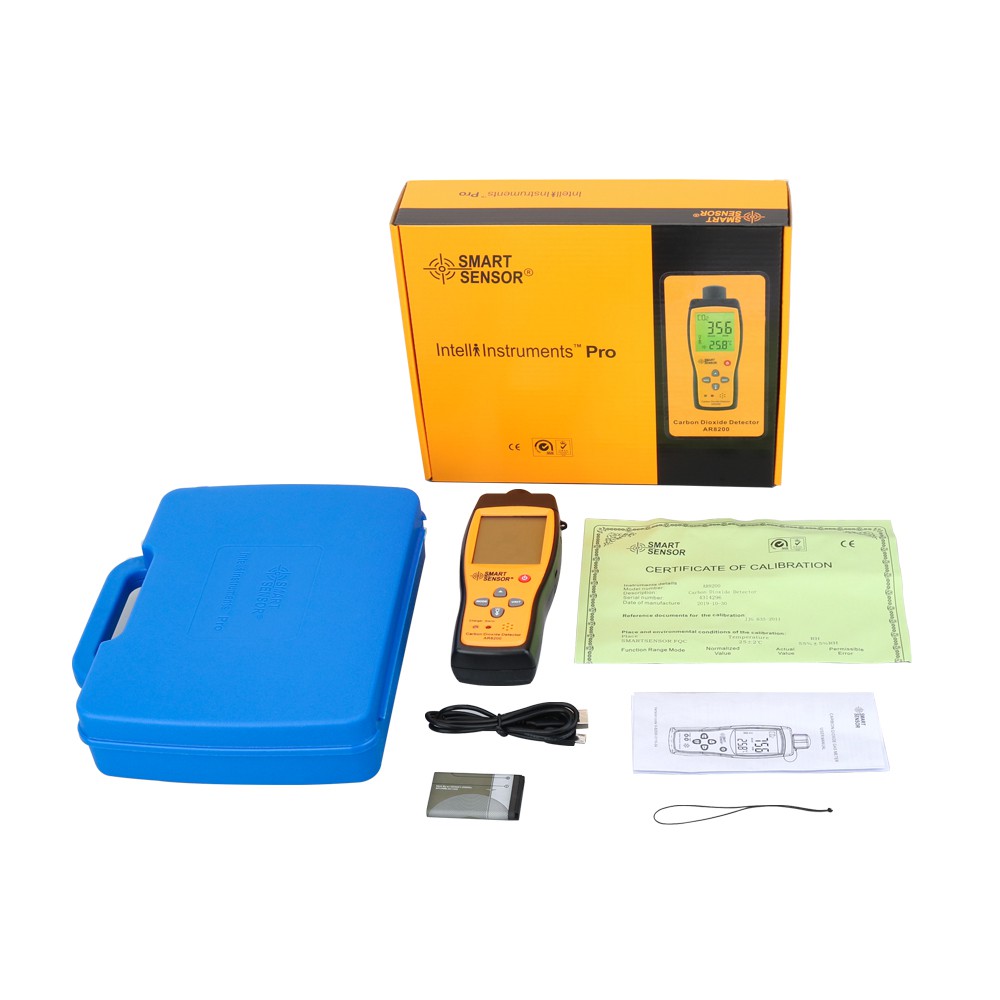
Research data shows that there are hundreds of indoor pollutants, some of which are of very low concentration and will not affect human work and study. As far as this classroom is concerned, the concentration of carbon dioxide is mainly detected. The equipment used is carbon dioxide detector. The K30 carbon dioxide sensor module produced by SenseAIR adopts non-dispersive infrared correlation (GFC) optical measurement technology, which can measure the concentration of carbon dioxide accurately and stably, and minimize the interference of CO and H2O. In order to ensure the accuracy of the test data, the carbon dioxide detector was calibrated with NO gas and CO2 standard gas with a concentration of 2890ppm before the test and after the instrument worked stably.
According to the provisions of "Indoor Air Quality Standard" GB/T18883-2002: the number of sampling points is determined according to the size of the testing room and the site conditions, in order to correctly reflect the level of indoor pollutants. In principle, 1 to 3 points should be set for rooms smaller than 50m2; 3 to 5 points should be set for rooms with 50 to 100m2; at least 5 points should be set for rooms above 100m2. The area of the classroom to be tested is greater than 100m2, so five collection points are selected and arranged evenly on the diagonal of the room. The sampling point should avoid the vent, and the distance from the wall should be greater than 0.5m. The height of the sampling point is in principle consistent with the height of the human respiratory zone.