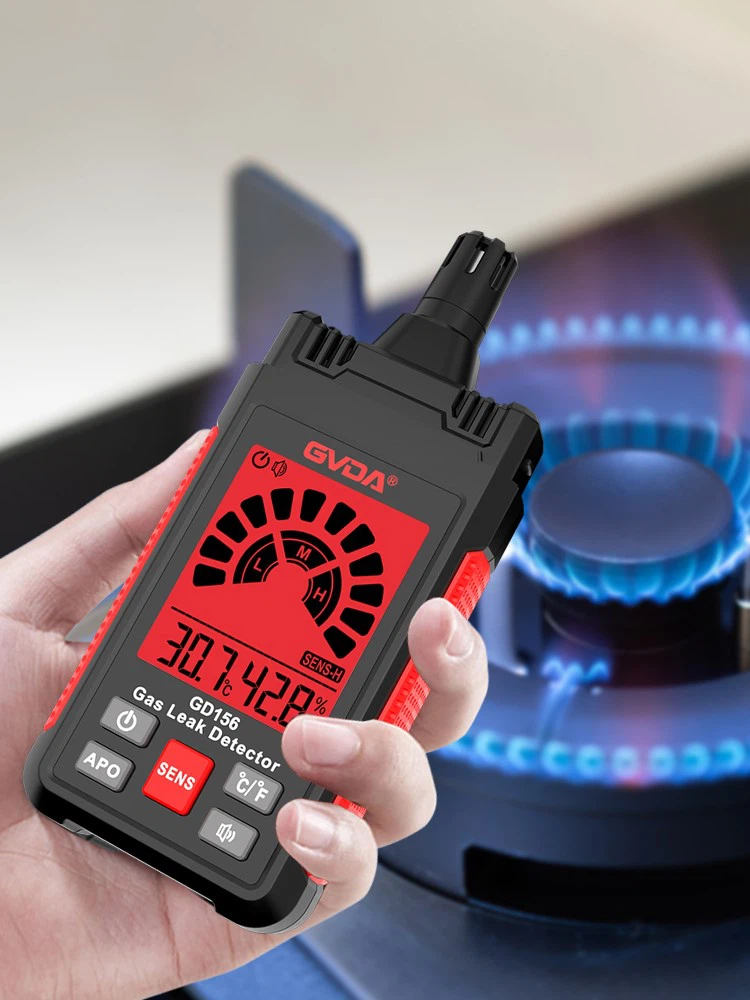
Detection standards for VOC gas detectors
1. Inspection of appearance and other items
Checking the appearance is the first thing we need to do after purchasing a gas detector. That is to avoid minor problems with the gas detector during transportation or production and assembly. We need to check whether there are minor problems with the appearance of the gas detector. If there are defects, cracks or damage, check whether the entire gas detector assembly is structurally intact.
At the same time, look at the machine model, label, manufacturer name, factory date, etc. and instructions on the gas detector and check the manufacturer one by one to ensure accuracy. At the same time, check the explosion-proof status mark, measurement license mark and number of the gas detector, etc. , must be complete and clear, some documents can be requested from the manufacturer.
2. Power-on inspection
It is usually a built-in battery power supply. We need to turn on the switch and check whether the gas detector is powered on normally. Some gas detectors allow it to continue working by replacing the battery. Some gas detectors are equipped with a charger;
For gas detectors with chargers, we need to test whether the charger is charging correctly. If the power supply is normal, we must check whether the gas detector's display shows correctly.
3. Check whether the instrument's audible and visual alarms are normal
For the sound and light alarm signal gas detector, because it is powered by a battery, when under-voltage is displayed, it should be able to send a signal that is obviously different from the alarm signal sound or light indication signal. The error of the displayed value The gas detector we purchased is used to detect gas concentration. The gas concentration display of the gas detector cannot be very accurate. It is an error, but this error is a range. If it exceeds this range, it means that the gas The detector does not meet the standards because the display errors for different gases are different.
4.Response time
Response time Response time refers to the time required for the gas detector to display 0 to 90% of the stable value that the instrument should reach. This is also standard. This standard is the same as the different indication errors and alarm errors. Gas response time.
5. Insulation withstand voltage
Insulation and voltage resistance have certain insulation resistance standards that must be met for gas detectors. Standard requirements: room temperature ≥100MΩ; after high temperature and humidity: ≥1MΩ.
The insulation strength should be able to withstand 500V AC voltage lmin, and discharge and malfunction should not occur. These are in line with the description of this gas detector and comply with the standards.