Determining Factors and Variation Patterns of pH Value
The determining factor of pH value. There are many factors that determine the pH value, but the main ones are the equilibrium system of free carbon dioxide and carbonate in water, as well as the content of organic matter in water and its decomposition conditions. The equilibrium system of carbon dioxide and carbonate varies depending on the hardness of water and the increase or decrease of carbon dioxide. The increase or decrease of carbon dioxide is determined by the relative strength of biological respiration, organic matter oxidation, and plant photosynthesis in water.
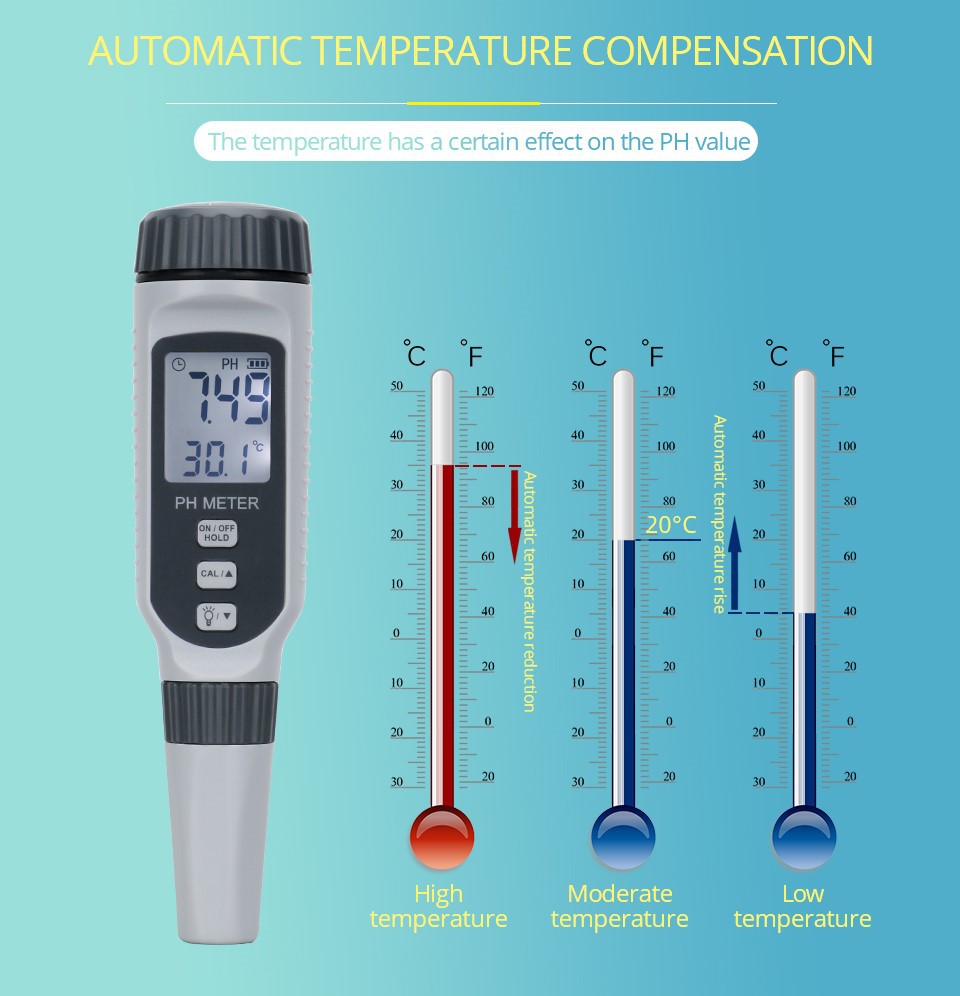
2. The variation law of pH value with temperature. In general, the pH value gradually increases at sunrise and reaches its maximum value around 4:30-5:30 pm, then begins to decrease until it reaches its minimum value before sunrise the next day. This cycle repeats, and the normal daily range of pH value variation is 1-2. If it exceeds this range, there is an abnormal situation in this water body. The daily variation pattern of pH is due to the fact that phytoplankton need to absorb carbon dioxide (CO2) for photosynthesis, which causes changes in CO2 levels in the water body. The difference in CO2 content also affects the daily variation of pH value. Mastering the daily variation pattern of pH value has important guiding significance and utilization value for aquaculture management.
The practical value of using pH value as a water quality standard. If the pH value of a fish farming water body is low and there is no special external pollution, it can be judged that the water body may have low hardness, excessive humus, high dissolved oxygen, carbon dioxide, CO2, and insufficient dissolved oxygen. At the same time, it can also be judged that the photosynthesis of plants in this water body is not vigorous, the density of fish is too high, and microorganisms are inhibited, resulting in slow metabolism of the entire material metabolism system. If the pH value is too high, it may also be due to insufficient hardness, excessive plant reproduction, strong photosynthesis, or insufficient humus in the pond.