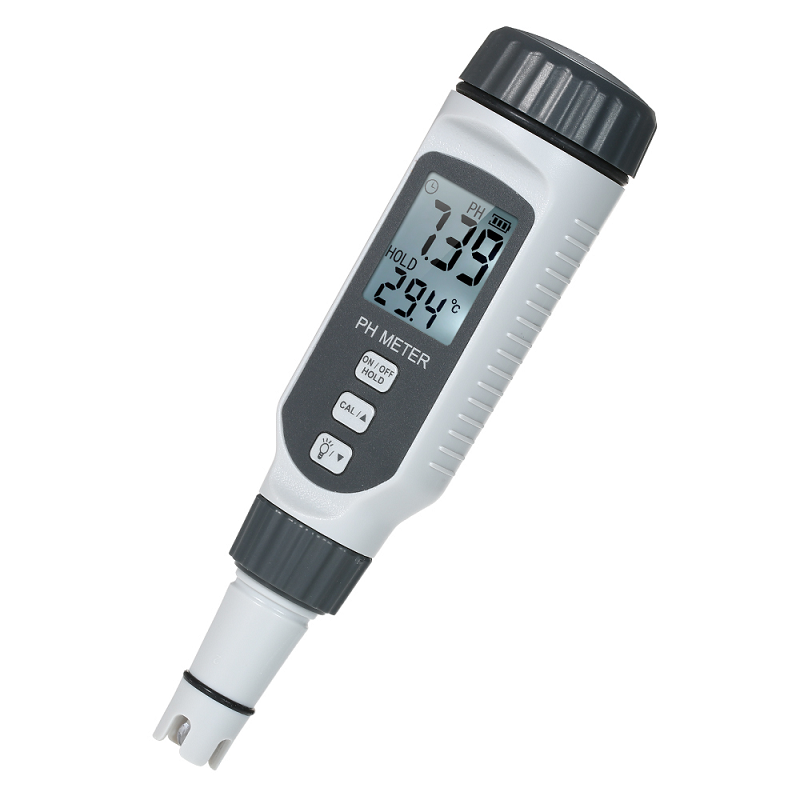
Why must the electrode of a pH meter be calibrated regularly?
After using the pH electrode in the pH meter for a period of time, the asymmetric potential will undergo significant changes, so regular calibration is necessary
The frequency of pH electrode calibration depends on the sample, electrode performance, and measurement requirements, as well as the pH meter usage environment and cycle. High precision measurement (≤± 0.03pH) should be calibrated in a timely manner; General precision measurement (≤± 0.1pH), after one calibration, can be used continuously for two weeks or even longer. As long as the pH meter accurately measures and displays the pH value during use, there is no need to calibrate the electrode frequently.
Before electrode calibration, test the standard solution that is closer to the tested solution, and determine whether recalibration is necessary based on the magnitude of the error. In the following situations, recalibration is necessary:
The electrode base that has been used for a long time is replaced with a new electrode.
After measuring concentrated acid (pH<2) or concentrated alkali (pH>12) with electrodes.
After measuring solutions containing fluoride or concentrated organic solutions using electrodes.
When the temperature of the electrode test solution differs significantly from the temperature of the standard solution (or room temperature).
PH calibration of pH meter
Immerse the pen type pH meter electrode into a mixed phosphate standard buffer solution with a pH value of 6.86 (at 25 ℃) and gently shake it;
Adjust the calibration potentiometer with a small screwdriver until the displayed value matches the pH value of the standard buffer solution at ambient temperature;
Insert the pH electrode into a standard buffer solution of potassium hydrogen phthalate at pH 4.01 or borax at pH 9.18;
The displayed value should be within the allowable range of error compared to the pH value of the buffer solution.