Differences Between Multi-gas Detectors and Toxic Gas Alarms
Composite gas detectors and toxic gas alarms are two common devices in the modern instrumentation industry. In practical use, people usually compare the two. Let's take a look at the differences between the two together.
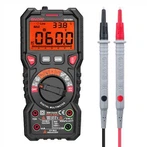
1. Composite gas detector: The composite gas detector is suitable for detecting the concentration of various mixed gases in various industrial and special environments. The instrument adopts imported electrochemical/infrared gas sensors and microcontroller technology, with fast response speed, high measurement accuracy, good stability and repeatability. The overall performance is at a relatively good level in China, and it is an inherently safe device for continuous detection of gas concentration. It uses a large capacity nickel hydrogen rechargeable battery internally and has an ultra long standby time; Surface mounted packaging, reliable and aesthetically pleasing; Digital LCD backlit LCD screen display, clear and intuitive; Equipped with a two-level sound and light alarm function, it can provide timely, accurate, and intuitive alarm prompts for preset alarm concentrations; The appearance of the instrument is made of special high-strength ABS engineering plastic, with a stylish design that is beautiful, has a good hand feel, and is durable.
The composite gas detector can be equipped with multiple gas detection sensors on one instrument, so it has the characteristics of small size, light weight, fast response, and simultaneous display of multiple gas concentrations. More importantly, the price of the Yiyang composite multi gas detector is cheaper than that of multiple single diffusion gas detectors, and it is also more convenient to use. It should be noted that when selecting such detectors, instruments with separate switch functions for each sensor can be chosen to prevent damage to one sensor from affecting the use of other sensors. The composite gas detector can be equipped with multiple gas detection sensors on one instrument, so it has the characteristics of small size, light weight, fast response, and simultaneous display of multiple gas concentrations. Compared with general gas detectors, it is also more convenient to use and can be effectively used for the detection of many gases such as methane, ethane, propane, butane, alcohol, formaldehyde, carbon monoxide, carbon dioxide, ethylene, acetylene, vinyl chloride, styrene, acrylic acid, etc.
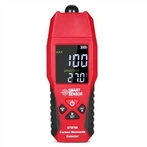
2. Toxic gas alarm: Toxic gas alarm is used to detect toxic gases in the atmosphere, with concentration expressed in ppm (parts per million) and oxygen expressed in profit or loss (% VOL). The use of industrial grade high reliability electrochemical or infrared sensors gives them high stability and maintenance free characteristics, reflecting a high level of technological development. The toxic gas alarm has three preset alarm points that can be modified through the program, corresponding to three LED indicator lights.
The toxic gas alarm consists of a detector and an alarm control host, and is widely used in the petrochemical industry where toxic gases exist, such as oil, gas, chemical, and oil depots. It is used to detect leaks in indoor and outdoor hazardous areas and is an important instrument to ensure production and personal safety. When toxic gases are present in the tested area, the detector converts the gas signal into a voltage or current signal and transmits it to the alarm instrument, which displays the percentage concentration value of the lower explosive limit of the toxic gas. When the concentration of toxic gases exceeds the alarm set value, an audible and visual alarm signal will be triggered, and the on duty personnel will take timely safety measures to avoid explosion accidents.
In many industrial productions, various toxic gases are produced, which can lead to poisoning if not taken seriously, especially combustible toxic gases like carbon monoxide. When the air mixture concentration reaches a certain value, it will explode when encountering Mars. The presence of toxic gases is inevitable, but it can be prevented. As long as we can detect the existence and concentration of toxic gases in a timely manner and take measures, we can try our best to avoid danger and minimize losses.