Diffuse Reflection Issues of Laser Rangefinders on Heating Coils
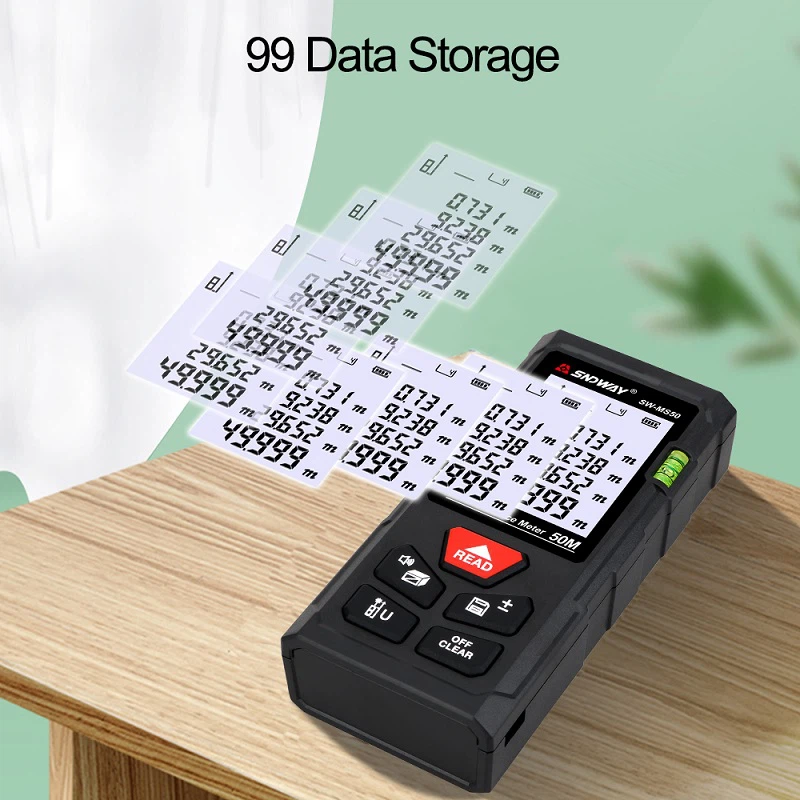
To reduce measurement errors, conventional laser rangefinders are usually equipped with a reflector on the target side to minimize deviations caused by diffuse reflection. How do telescopic laser rangefinders used by snipers overcome this problem? The working principle of laser rangefinders is similar to that of sonar. Are the reflected optical signals they receive highly susceptible to interference from ambient light of different wavelengths and intensities?Humidity sensor probes, stainless steel electric heating tubes, PT100 sensors, fluid solenoid valves, cast aluminum heaters, heating coils.
Pulsed laser rangefinders generally adopt avalanche photodiodes as detection components. These sensors are only sensitive to light of a specific wavelength. When the wavelength matches, even extremely weak light intensity can be detected; light with mismatched wavelengths, no matter how strong, will not be recognized. Laser features excellent monochromaticity, with 905 nm being the most commonly used wavelength. Therefore, the received reflected laser signals are rarely disturbed by ambient light with other wavelengths or intensities.
In addition, there are two mainstream working principles for laser ranging: the pulse method and the phase method.
The phase method calculates distance by measuring the phase difference of reflected waves, which requires a cooperative target - namely the reflector installed on the object to be measured as mentioned above. Rangefinders using this method operate with low transmitting power.
By contrast, sniper telescopic laser rangefinders mostly apply the pulse method. They emit a laser pulse and start timing, then stop timing once the reflected pulse is received to calculate the distance. Without a dedicated cooperative target, the energy of diffusely reflected light suffers severe loss, yet this usually does not hinder normal measurement, for the reasons stated above. Manufacturers usually increase the transmitting power of such rangefinders to compensate for signal attenuation.