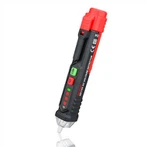
Dissolved oxygen meter and pH meter used in fish pond farming
Dissolved oxygen meter measures dissolved oxygen (DO)
Oxygen is the life element of aquatic organisms. Long-term hypoxia will slow down the growth of aquatic animals; severe hypoxia, fish and shrimp will float, and H2S, NH3, NO2, etc. in the water cannot be oxidized and decomposed, increasing toxicity. Maintaining sufficient dissolved oxygen can decompose and transform toxic substances.
Dissolved oxygen in water should be kept at a minimum of 3mg/L, and generally between 5-8mg/L. Excessive dissolved oxygen can cause air bubble disease in fish.
Testing method: Instrument test
solution:
1. Normal dissolved oxygen is 5-8mg/L;
2. The dissolved oxygen in seawater is lower than 3mg/L and the dissolved oxygen in freshwater is lower than 4mg/L, indicating that the water is oxygen-deficient and may float. You should use extra oxygen or turn on an aerator to increase oxygen in time. Injecting new water is also a way to increase oxygenation.
3. Dissolved oxygen is higher than 12 mg/L, indicating that there is excess oxygen in the water. At this time, fish and shrimp are prone to air bubble disease. The reason for excessive dissolved oxygen may be that there are too many aquatic plants in the pond, the water is stagnant, photosynthesis is strong, and a large amount of oxygen is released. At this time, the phytoplankton can be killed by the insecticide algae net. It is also an effective method to change the water or drain out 1/3 of the old water and then add new water. For ponds where chemical fertilizers are applied, the amount of fertilizer must be controlled to prevent excessive phytoplankton reproduction.
pH meter measures pH value
Important pH data for breeding technology: shrimp breeding: 8.5; river crab breeding: 8.0-8.5; freshwater breeding: 6.5-9.0; marine breeding: 7.5-8.5;
When the pH value exceeds 8.5, the toxicity of ammonia in the water increases and the toxicity of hydrogen sulfide decreases.
If the pH value exceeds 9.5, most aquatic animals cannot survive.
When the pH value is lower than 6, aquatic ammonia is non-toxic, but the toxicity of hydrogen sulfide increases. Fish and shrimp are prone to lack of oxygen and float when the pH is lower than 6.5.
A pH value below 5 is seriously dangerous to aquatic animals.
Testing method: Instrument test
solution:
1. Use appropriate buffers to control normal pH value;
2. The pH value is too high: If it is higher than 9.0, acid-reducing measures should be taken, such as adding an appropriate amount of acetic acid, etc.;
3. The pH value is too low: If it is lower than 6, measures should be taken to increase the pH value. Adding quicklime or water will solve the problem.