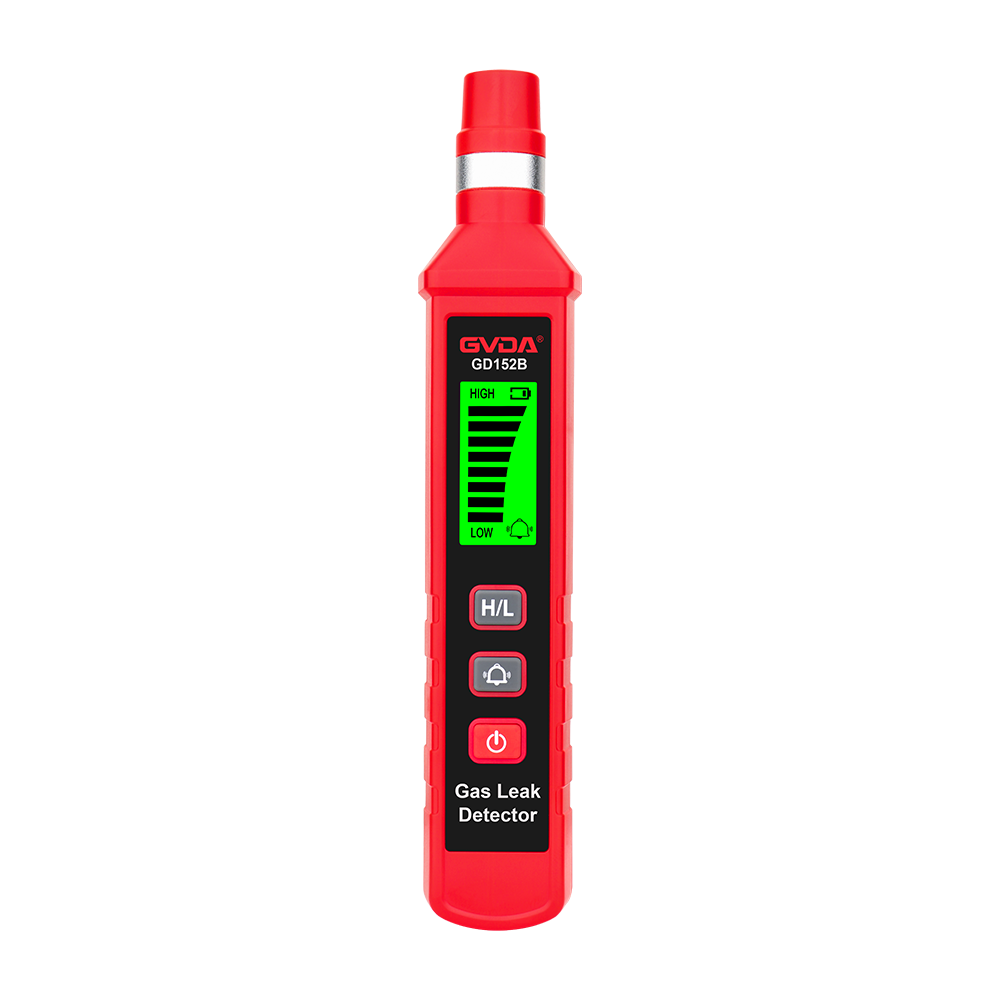
Do Gas Alarms Operate on Multiple Working Principles?
Gas alarm devices have multiple working principles.
Catalytic combustion technology is a gas alarm system that uses combustible gases to burn and release heat on the surface of specially designed catalytic components, causing the temperature of the components to rise and the resistance value to change. By measuring the resistance change, the gas concentration can be calculated, which is sensitive and selective to combustible gases. It is commonly used in industries such as petroleum and chemical to monitor combustible gas leaks.
Electrochemical technology utilizes the oxidation-reduction reaction of gas in an electrolytic cell to generate a concentration dependent current. By measuring the current, the concentration can be determined with high accuracy and fast response, making it suitable for detecting toxic gases in coal mines and chemical sites.
Infrared absorption technology is based on the absorption ability of different gas molecules towards specific wavelengths of infrared radiation. Gas alarm devices measure gas concentration by comparing the intensity changes before and after infrared absorption, and have advantages such as high accuracy. They are used in fields such as petrochemicals to detect specific gases.
Photoionization technology uses ultraviolet lamps to ionize gas molecules and generate a current proportional to their concentration. It can detect various gases with high sensitivity and is used in environmental monitoring and other fields to detect VOCs concentration.
In summary, these are the working principles of several common gas alarm devices. From catalytic combustion to photoionization, each principle has its unique advantages and specific application scenarios, jointly building an indestructible gas safety protection net.
I believe that understanding these working principles can help us better choose and use gas alarm devices, giving us more peace of mind and protection when facing potential gas hazards.