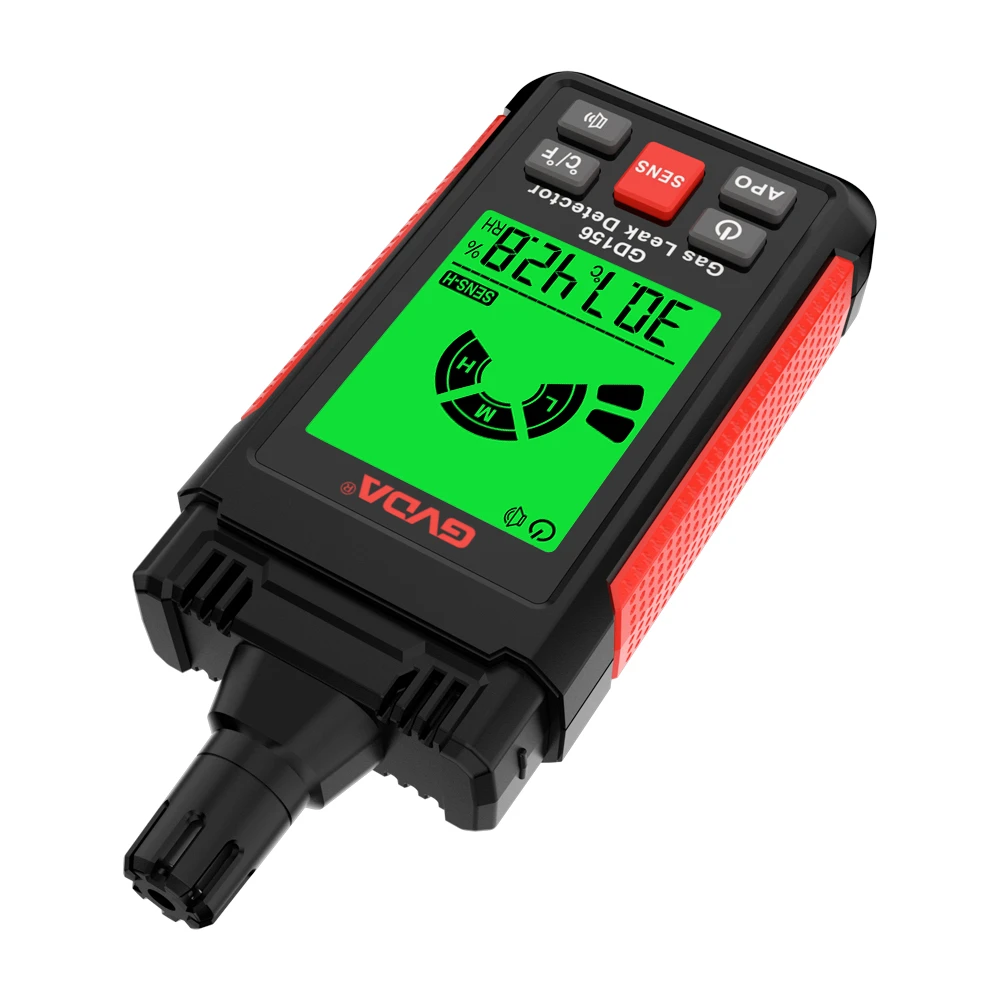
Fault Causes and Elimination Methods of Combustible Gas Detectors
Generally speaking, the malfunctions of flammable gas detectors mainly stem from two factors: non-standard construction procedures and inadequate maintenance. Both are potential triggers for detector failures. Improper construction will lead to detection faults during operation. For instance, if the flammable gas detector is not installed close to positions prone to gas leakage on equipment, or it is mounted next to an exhaust fan, leaked combustible gas cannot fully diffuse to the detector, resulting in delayed detection of potential leakage hazards.
For residential applications, flammable gas detectors shall be installed near gas pipelines and stoves in kitchens. For natural gas supply, the detector shall be ceiling-mounted within 300 mm below the ceiling; for liquefied petroleum gas (LPG), it shall be fixed within 300 mm above the floor. If the detector is not reliably grounded, electromagnetic interference cannot be eliminated, which will affect the operating voltage and cause inaccurate detection readings. Therefore, reliable grounding is mandatory during construction.
If the detector and its wiring terminals are placed in positions vulnerable to impact or water ingress, open circuits or short circuits of electrical wiring will occur. Corrosion-free soldering flux must be used for welding; otherwise, corrosion and disconnection at joints or increased line resistance will impair normal detection. The detector shall not be dropped or thrown on the ground. Commissioning and debugging shall be carried out upon completion of construction to ensure the flammable gas alarm works properly.
Routine maintenance of flammable gas detectors is equally critical. Most detectors operate in harsh environments, with many installed outdoors exposed to dust and corrosive gases. To sense flammable gas concentrations, the sensor must be in direct contact with the ambient atmosphere, so it is inevitable that contaminants and dust accumulate inside the detector, which will degrade its working performance objectively. Neglecting maintenance will block the detector's sensing function, leading to measurement deviations or complete detection failure. Regular cleaning and maintenance are therefore essential preventive measures against malfunctions.
Additional precautions are as follows: The grounding system shall be inspected periodically. Unqualified grounding or missing grounding will make the detector susceptible to electromagnetic interference and subsequent faults. Component aging is another root cause of failures. Practical experience has proven that systems with flammable gas detectors in service for more than 10 years see a sharp rise in aging-induced faults from a reliability perspective. Units exceeding their specified service life shall be replaced in a timely manner.