Five Steps for Maintenance and Adjustment of Electric Soldering Irons
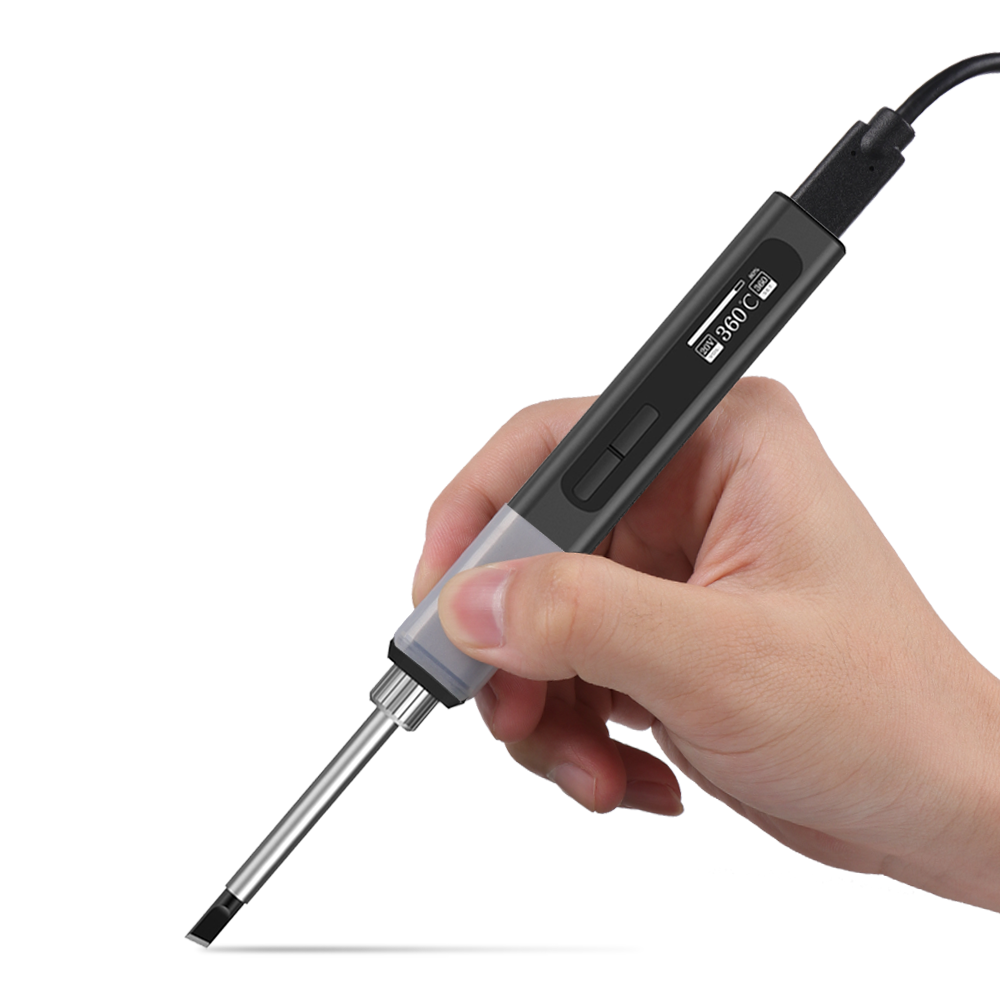
1 . After receiving a regular new soldering iron, it is necessary to conduct necessary inspections Firstly, check if all the fixing screws are loose. Secondly, observe if there are cracks, exposed copper, or damage to the power cord. If so, use a multimeter to measure if there is a short circuit or open circuit at both ends of the plug. Finally, in the X10K range of the multimeter, place one foot on the soldering iron tip and one foot on the soldering iron plug at the same time. The multimeter pointer should not move After the above steps, it can be used
The following methods must be used when using a new soldering iron tip for the first time To improve its quality of use and extend its lifespan If it is a regular soldering iron, the soldering iron tip must be inserted into the heating core hole first, and the fixing screw of the soldering iron tip must be tightened Plug in the power and place the soldering iron on top of the rosin. As the temperature rises until the rosin melts, cover the soldering iron tip with a layer of rosin solution Then place the rosin solder wire on the soldering iron tip until the solder melts, and finally evenly coat a layer of solder on the chromium head of the solder This soldering iron can be put into normal use
During use The working environment of soldering iron tips is very harsh, with high temperatures and easy oxidation. The soldering flux is corrosive and easy to corrode, and the hardness of the solder is high, which can easily cause wear and tear. The main problems with soldering iron tips are generally due to not eating tin (oxidation) and damage For soldering iron tips made of copper metal, the oxide layer can be removed with a mixed file or the soldering iron tip can be trimmed to the desired shape Please note that the soldering iron must not be powered off for cooling before entering. After completion, please follow the instructions in section 1.3.2 For soldering iron tips made of alloy, if they oxidize, they can be repeatedly scrubbed on a wet sponge while being powered on, and a loose solder wire can be added until the oxide layer is removed. The surface of the soldering iron tip can be coated with a layer of solder again For cracked and damaged alloy heads, only replacement is necessary
A soldering iron is an electrical product that, like other electrical products, is afraid of water and moisture. Therefore, when creating PDF files using the trial version of "pdfFactory Pro" or placing them unused, be careful not to store them in damp or damp places. On the one hand, it can extend the service life of the soldering iron, and on the other hand, it is also to ensure safety, because water or moisture can cause a decrease
in the insulation performance of the soldering iron, resulting in electric shock accidents
During the use of an electric soldering iron, we can extend the service life of the soldering iron tip and improve the soldering quality by adjusting the soldering iron. The specific method is as follows: if the temperature is too high, the phenomenon is that the soldering iron will vaporize immediately upon contact with rosin, and the soldering iron will turn golden purple (oxidized) immediately upon adding solder. Then, we can move the soldering iron tip out of the heating core. If the temperature is too low, the soldering iron will vaporize slowly upon contact with rosin, and the soldering wire cannot melt immediately, we can move the soldering iron tip into the heating core Until soldering is added, it will melt immediately and will not oxidize in a short period of time (15-20 seconds). Note that the length of the tip of the 30W soldering iron left in the heating core should not be less than 1.5CM. The length of the soldering iron of the 50W soldering iron left in the heating core should not be less than 2.0CM, otherwise it will shorten the service life of the heating core