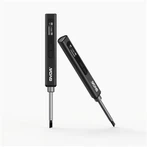
Five tips for using a soldering iron, four things to note when using a soldering iron
1. Before welding, clean the soldering iron head with a clean wet sponge or wet cloth that has squeezed out the water. During welding, clean the old tin on the soldering iron head and follow the welding steps. After welding, cut off the power supply. After the temperature of the soldering iron tip is slightly lowered, a new layer of tin is plated. The tin plating layer has better anti-oxidation effect.
2. After the electric soldering iron is powered on for two minutes, it can be used when it reaches the soldering temperature; when it is not used for a long time, it needs to be disconnected from the power supply.
3. During and after use of the soldering iron, keep the soldering iron tip covered with tin to reduce the chance of oxidation of the soldering iron tip and make the soldering iron tip durable.
4. When welding with an electric soldering iron, do not apply excessive pressure to avoid damage or deformation of the soldering iron tip. As long as the soldering iron tip fully contacts the solder joint, heat can be transferred.
5. The area of the soldering iron tip that contacts the solder joint is directly related to the heat.
The position of the soldering iron tip can be freely controlled during use. During normal use, the top of the soldering iron tip contacts the weldment and the pad. The contact area is small and the temperature is slightly lower. In order to increase the welding temperature, the position of the soldering iron tip can be appropriately changed so that the soldering iron tip contacts the weldment. The area of the soldering pad increases; in some circuits, the soldering pad is not proportional to the soldering piece. When welding, the angle of the soldering iron tip can be adjusted appropriately so that it is heated evenly to improve the welding quality.
Precautions for using soldering iron
1. When using a soldering iron for welding operations, there are many ways to hold the soldering iron, including upright grip, reverse lift, pen grip, etc.
No matter which way you hold it, you must pay attention to the direction of the power cord. It should be led from the back of your hand or arm. Do not place the wire in the direction of the soldering iron tip to prevent the wire from being burned and causing danger.
2. When using the soldering iron, do not place it randomly. It must be placed on a suitable soldering iron stand to prevent the soldering iron head from being damaged by collision. At the same time, be careful to handle it with care. Do not place the soldering iron close to flammable or explosive objects. , To avoid burns, scalded items, and fires, cut off the power supply in time after using the soldering iron. Extend the service life of your soldering iron. Prevent the soldering iron tip from oxidizing.
3. When using a soldering iron for the first time, it is easy to make some mistakes, such as: Regardless of whether to use the soldering iron immediately or not, always plug in the soldering iron and energize it first to make the soldering iron in working condition.
When it is time to use the electric soldering iron, it is found that the temperature of the soldering iron is too high or the soldering iron tip is seriously oxidized, making it difficult to use. Some users, regardless of the condition of the soldering iron tip, think that as long as the electric soldering iron has heat, they can solder components. When the circuit board is thick or contaminated, long-term welding will not only result in poor welding quality, but may also cause the circuit board pads to fall off or components to be damaged.
4. When welding, first handle the soldering iron before welding. Not only will the welding quality be good, but it will also save welding time.