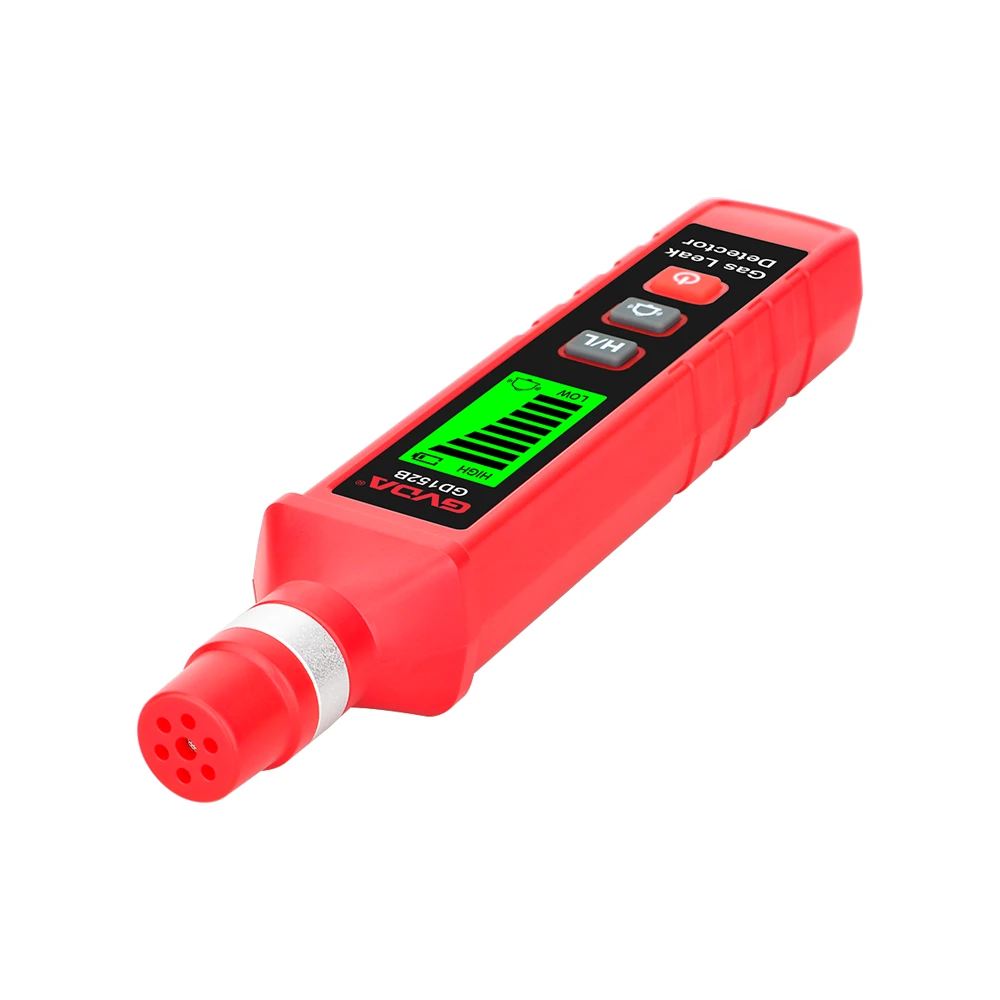
Four Major Classifications of Electrochemical Gas Detectors
① Galvanic Cell Gas Sensor (also known as Voltaic Cell Gas Sensor, Fuel Cell Gas Sensor or Spontaneous Cell Gas Sensor) Its working principle is similar to that of ordinary dry batteries, except that the carbon-manganese electrodes of the dry cell are replaced with gas-sensitive electrodes. Taking an oxygen detector as an example, oxygen is reduced at the cathode, and electrons flow through an ammeter to the anode where lead metal is oxidized. The magnitude of the generated current is directly proportional to the oxygen concentration. This type of sensor can effectively detect oxygen, sulfur dioxide, chlorine and other gases.
② Potentiostatic Electrolytic Cell Gas Sensor This sensor delivers excellent performance in detecting reducing gases. Different from galvanic cell sensors, its electrochemical reactions are driven by applied external current, which qualifies it as a genuine coulometric analysis sensor. It has been widely and successfully applied in the detection of carbon monoxide, hydrogen sulfide, hydrogen, ammonia, hydrazine and other substances, and serves as the mainstream sensing component for current toxic and hazardous gas detectors.
③ Concentration Cell Gas Sensor Gas with electrochemical activity spontaneously generates a concentration difference electromotive force on two sides of the electrochemical cell, and the electromotive force value correlates with the gas concentration. Typical mature applications include automotive lambda oxygen sensors and solid electrolyte carbon dioxide detectors.
④ Limiting Current Gas Sensor Certain oxygen concentration sensors are manufactured based on the principle that the limiting current in an electrochemical cell is proportional to carrier concentration. They are applied for oxygen measurement in automobile exhaust and dissolved oxygen testing in molten steel.
Major manufacturers of these sensors are distributed globally, with key suppliers concentrated in Germany, Japan and the United States. Several European suppliers from the United Kingdom, Switzerland and other countries have newly entered the market in recent years. China embarked on research in this field at an early stage, yet has achieved unsatisfactory results in industrialization and large-scale mass production.