How to Accurately Measure Temperature Using an Infrared Thermometer
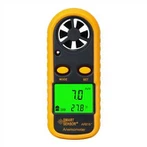
Infrared thermometer consists of optical system, photodetector, signal amplifier and signal processing. Display output etc. partial composition. The optical system gathers the infrared radiation energy of the target in its field of view, and the infrared energy is focused on the photodetector and converted into a corresponding electrical signal, which is then converted into the temperature value of the measured target.
Infrared thermometers provide quick temperature measurements, and in the time it takes to read one leaky junction with a thermocouple, nearly all junctions can be read with an infrared thermometer. Also because the infrared thermometer is solid. lightweight. (both lighter than 10 oz.) and easy to holster when not in use. So you can carry it when you are doing factory inspections and daily inspections.
Another advanced feature of infrared thermometers is accuracy, usually within 1 degree. This capability is especially important when you are doing preventive maintenance, such as monitoring severe production conditions and special events that will cause equipment damage or downtime. Since most equipment and plants operate 365 days, downtime equates to lost revenue. Prevent such losses by scanning all on-site electronic devices - circuit breakers. transformer. fuse. switch. Buses and switchboards to find hot spots. With an infrared thermometer, you can quickly detect even small changes in operating temperature, allowing problems to be fixed in the bud, reducing the expense and scope of repairs due to equipment failure.
Safety is the most important benefit of using an infrared thermometer. Unlike contact thermometers, infrared thermometers can safely read inaccessible or inaccessible target temperatures, and you can read the target temperature within the range allowed by the instrument. Non-contact temperature measurement can also be performed in unsafe or difficult-to-contact temperature areas, such as near steam valves or heating furnaces, where they do not need to risk burning their fingers when inadvertently contacting the temperature measurement. Accurate measurement of supply/return air temperatures up to 25 feet overhead is as easy as having it at hand. Raytek infrared thermometers all have laser aiming for easy identification of the target area. With it your work becomes much easier.
Infrared thermometers have proven to be effective tools for detecting and diagnosing faults in electronic equipment. With an infrared thermometer, you can continuously diagnose electrical connection problems and by looking for hot spots at the output filter connection on the DC battery, to detect the functional status of the uninterruptible power supply (UPS), you can test the battery Components and power distribution panel terminal blocks, switch gears or fuse connections prevent energy loss; since loose connectors and combinations can generate heat, infrared thermometers help identify insulation faults in circuit breakers. Or monitor electronic compressors; daily scanning of transformers for hot spots can detect cracked windings and terminals.
Three temperature measurement technologies of Raytek non-contact thermometers:
1. Point measurement: measure the temperature of the entire surface of an object, such as an engine or other equipment;
2. Temperature difference measurement: compare the measured temperature of two independent points, like a connector or a circuit breaker;
3. Scanning measurement: detect target changes in a wide area or continuous area. Like refrigeration lines or switch rooms.
The main considerations for choosing an infrared thermometer are:
1. Temperature range: Each type of thermometer has its specific temperature range. The temperature range of the chosen instrument should match that of the specific application.
2. Target size: When measuring temperature, the measured target should be larger than the field of view of the thermometer, otherwise there will be errors in the measurement. It is recommended that the measured target size exceed 50% of the pyrometer's field of view.
3. Optical resolution (D:S): the ratio of the probe of the thermometer to the diameter of the target. If the thermometer is far away from the target and the target is small, a high-resolution thermometer should be selected.
Accurate temperature measurement tips; when measuring the temperature of shiny surfaces, such as aluminum and stainless steel, the reflection of the surface will affect the reading of the infrared thermometer. Before reading the temperature, put a strip on the metal surface, and measure the temperature of the strip area after the temperature is balanced. In order for the infrared thermometer to walk back and forth from the kitchen to the refrigerator and still provide accurate temperature measurements, it must be measured after a period of time in the new environment to achieve temperature equilibrium. It is best to place the thermometer in a place that is frequently used.
Use infrared thermometers to read the internal temperature of fluid foods, like soups or sauces, that must be stirred before the surface temperature can be measured. Keep the thermometer away from steam to avoid contaminating the lens and causing incorrect readings.