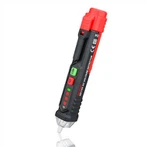
How to choose a multimeter? Method of choosing a multimeter
A multimeter consists of three main parts: the meter head, measuring circuit, and conversion switch. A multimeter is the most basic tool in the field of electronic testing and a widely used testing instrument. A multimeter, also known as a multimeter, a multimeter (A, V, Ω, also known as current, voltage, and resistance), a multimeter, a multimeter, and a multimeter. A multimeter is divided into pointer multimeters and digital multimeters. There is also an oscilloscope function oscilloscope multimeter, which is a multifunctional and multi range measuring instrument.
A general multimeter can measure DC current, DC voltage, AC voltage, resistance, and audio level. Some can also measure AC current, capacitance, inductance, temperature, and some parameters of semiconductors (diodes, transistors). Digital multimeters have become mainstream and have replaced analog instruments. Compared with analog instruments, digital instruments have high sensitivity, accuracy, clear display, strong overload capacity, are easy to carry, and are more convenient and simple to use.
The DC current range of a multimeter is a multi range DC voltmeter. The parallel connection of a closed circuit voltage divider resistor in the meter head can expand its voltage range. The DC voltage range of a multimeter is a multi range DC voltmeter. Connecting a voltage divider resistor in series with the meter head can expand its voltage range. The corresponding range varies depending on the voltage divider resistor. The head of a multimeter is a magneto electric measuring mechanism, which can only measure AC power by converting AC power to DC power through diodes.
Like most instruments, a multimeter also has measurement stability, and the accuracy of its measurement results is related to its usage time, environmental temperature and humidity. If the stability of a multimeter is poor, it may sometimes contradict itself and produce inconsistent measurement results after a period of use. Therefore, some manufacturers pay great attention to this issue: for example, Fluke in the United States promised lifelong traceable calibration and warranty in the recent sales of new products.
Most maintenance engineers use multimeters and are most concerned about the poor protection of the multimeter, which may result in unnecessary damage to the multimeter due to accidental insertion of the probe wire or incorrect test files, affecting work. Therefore, the safety of a multimeter is very important. Some good multimeters have good self-protection. For example, when some multimeters are plugged in the wrong probe wire, they will automatically sound a beep alarm. When choosing a multimeter, do not blindly pursue cheapness, it should be practical and easy to use.