How to Choose a VOC Detector?
1. Check calibration
Regular manufacturers of VOC detectors have complete R&D and production equipment. Before leaving the factory, the detection instruments must be calibrated in the calibration warehouse to ensure the accuracy of the products. And the electrochemical detector can be calibrated once without frequent calibration. A calibration chamber is an experimental chamber in a specific environment that completes instrument calibration. The construction of a calibration chamber can cost tens of thousands or even millions, and most counterfeit enterprises will not incur this cost.
2. Check accuracy
The concentration of formaldehyde is accurate to two decimal places, i.e. to 0.01mg/m3, and products from reputable manufacturers are strictly designed according to the standard. If a merchant's promotional accuracy is 0.001, it can be basically determined that it is a counterfeit product from an informal manufacturer.
3. Look at the sensor
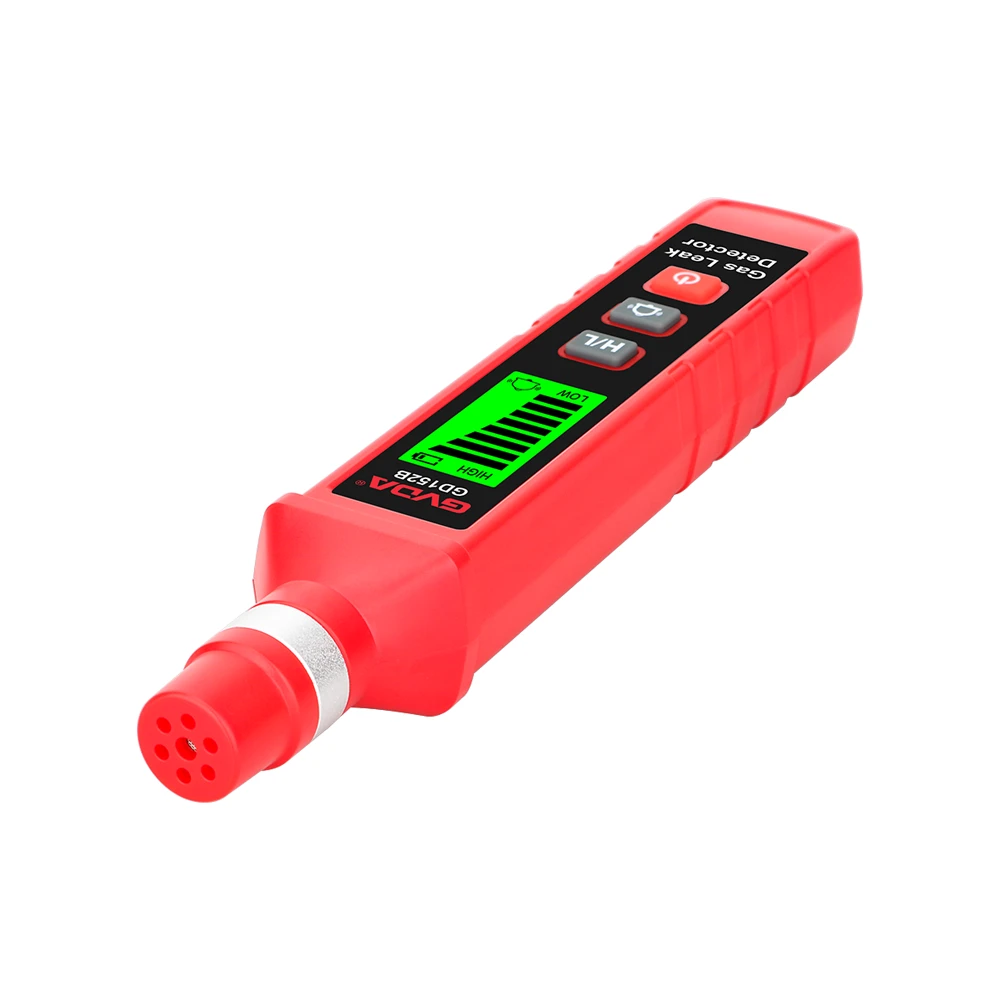
VOC detectors usually use the electrochemical sensor method. By observing the sensor type through the air inlet of the detection equipment, the electrochemical sensor has a relatively large volume with a white film, while the semiconductor sensor has a small volume and is generally gray or black in color.
4. Check standby time
Standby time is a simple and effective method to determine whether a VOC detector is an electrochemical sensor or a semiconductor sensor. The working power of electrochemical sensors is very small, and the main power consumption of the instrument comes from the circuit board. Semiconductor sensors work by generating heat, and their power consumption is more than 10 times that of electrochemical sensors. Usually, the standby time of a VOC detection device with an electrochemical sensor is more than 5 days, while the standby time of a counterfeit formaldehyde detector with a semiconductor sensor does not exceed 12 hours.
5. Check the qualifications of formaldehyde detector manufacturers and products
First, check if the VOC detection equipment manufacturer has a legitimate website. Search for the manufacturer's name, and legitimate manufacturers can find the website. On the website, learn about the company's relevant information, team, production qualifications, whether an ISO product quality system has been established, and whether there are pictures of office space, workshops, and factories. Secondly, log in to the website of the local Administration for Industry and Commerce where the manufacturer is located to further investigate the authenticity of the enterprise, its main business, years of establishment, and whether it has formal R&D and production qualifications. To prevent OEM manufacturers and counterfeit manufacturers.