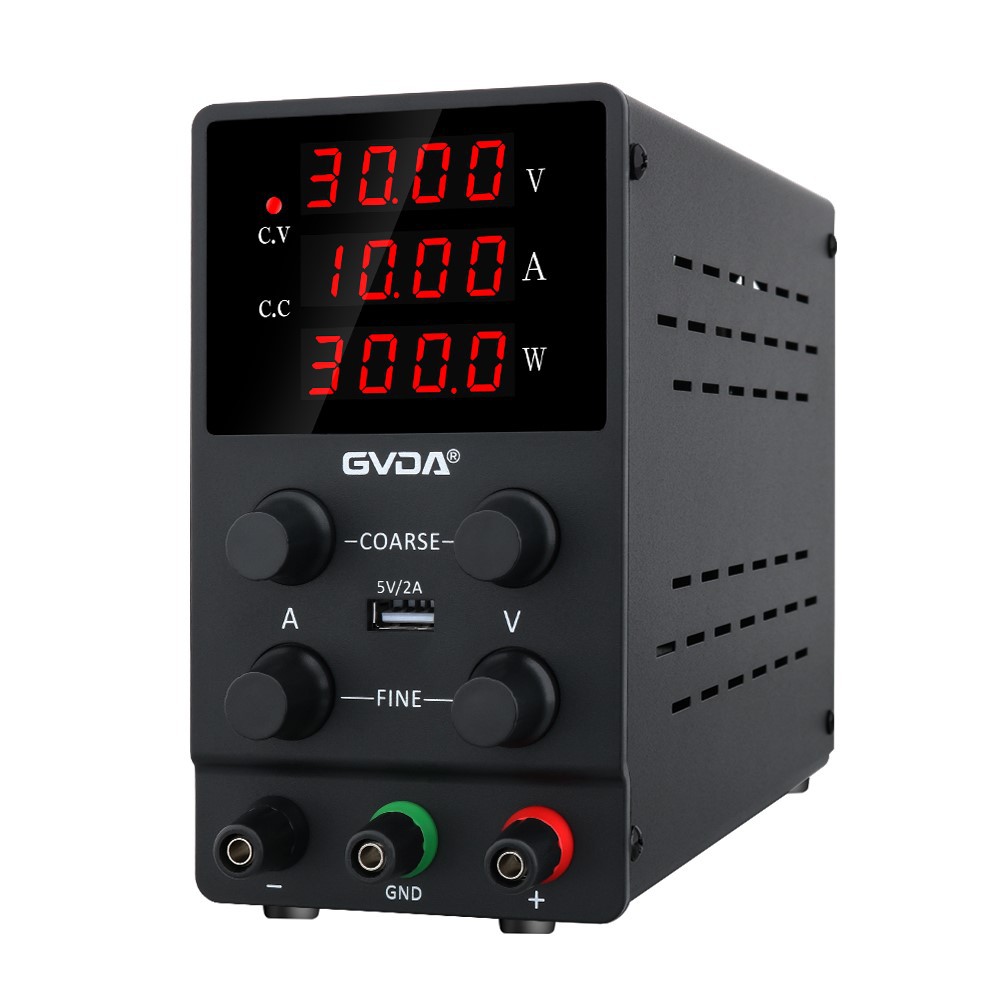
How to Design a Short Circuit Alarm and Self recovery Circuit for Adjustable DC Stabilized Power Supply
Short circuit protection circuits generally use current limiting resistors, while high current ones use current transformers. If you are familiar with power sources, there are many circuit diagrams on the internet, including simple and complex ones. The principle is the same. When the current reaches a certain level, the protection circuit will be triggered, and then the power source will be cut off.
The simplest way is to make the power supply delay start. When the protection is turned off, the protection will also fail. After the failure, it will be powered on, forming an automatic recovery function.
(1) If it is a low-voltage input, such as 18-36V input and low-voltage output, then you can directly use the overcurrent protection function of the control chip and choose the burp type overcurrent protection function. Its power consumption is also not high, which can fully meet your circuit design requirements.
(2) If it is a high-voltage input AC 220V input low-voltage output, then an additional protection function is needed. A small resistor is connected in series at the output, and the current signal is converted into a voltage signal through an operational amplifier. After being isolated by an optocoupler, the signal is transmitted to the input side for undervoltage protection. When the output is short circuited, the module automatically protects, and when the short circuit disappears, the voltage is restored.
(3) If it is a purchased module, a small resistor is connected in series at the output, and the current signal is converted into a voltage signal through an operational amplifier. After being isolated by an optocoupler, the signal is transmitted to the control terminal on the input side. When the output is short circuited, the module automatically protects, and when the short circuit disappears, the voltage is restored.