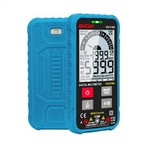
How to detect oxygen sensor with oscilloscope
Function---Changes in the oxygen content in the exhaust gas can cause the voltage signal of the oxygen sensor to continuously change within the working voltage value range. The engine control voltage receives the signal voltage from the oxygen sensor, and uses this voltage value to determine the state of the mixture, thereby adjusting the injection pulse width. This is a simple way of saying it. The role of oxygen sensors is of great significance
Abnormalities in the oxygen sensor can cause various faults, and the symptoms of the fault are also different. The details depend on the location of the fault, the size of the signal value, and the control strategy of the vehicle model. Let's talk about how to judge the fault of the oxygen sensor.
There are three situations to check the performance of the oxygen sensor. One is to detect the sensor resistance; the other is to measure the change of the oxygen sensor voltage output signal; the third is to observe the color of the oxygen sensor appearance.
(1) Check the oxygen sensor resistance. When the engine temperature reaches normal, unplug the wire connector of the oxygen sensor and use a resistance meter to detect the resistance value between the terminals of the pressure sensor. The resistance value should meet the standard value requirements of the specific vehicle model (generally 440Ω). If the resistance value is not If the requirements are met, the oxygen sensor should be replaced.
(2) To detect the voltage output signal of the oxygen sensor, after installing the wire connector of the oxygen sensor, lead a wire from the signal terminal, start the engine, make the engine reach normal operating temperature, and maintain the engine at idle speed. At this time, use a voltmeter to detect the output voltage of the oxygen sensor signal terminal. When the high-voltage distribution line of a cylinder is unplugged (fire failure), the oxygen content in the exhaust gas will decrease. If the voltage indicated by the voltmeter increases, it means that the sensor performance is good (the output voltage of the oxygen sensor is generally 0.20.9V between, its variation range is around 0.5V).
(3) When inspecting the oxygen sensor, sometimes the cause of the fault can also be known by observing the color of the oxygen sensor tip. The normal color of the oxygen sensor tip is light gray. Once the color of the oxygen sensor tip changes, it indicates that there is a fault or hidden danger of the oxygen sensor.
a. The oxygen sensor with a black tip is caused by carbon pollution. After removal, the carbon deposits on it should be removed.
b. If it is found that the oxygen sensor has a white tip, it means that it is caused by silicon pollution. This is because unqualified silicone sealant was used during engine maintenance. At this time, the oxygen sensor must be replaced.
c. When the tip of the oxygen sensor is found to be reddish brown, it means that the oxygen sensor is contaminated by lead. This is due to the use of leaded gasoline in the car.
Any silicone sealant that contains acetic acid (which acts as a vulcanizer) will damage the oxygen transmitter. Silicone is also called room temperature vulcanization (RTV) glue. If silica gel containing acetic acid is used in the engine where lubricating oil flows, the acetic acid will evaporate into the crankcase or valve area, and then enter the intake pipe through the exhaust gas recirculation system. Under normal operating conditions, it will pass through the engine through the exhaust pipe. discharge, thereby damaging the oxygen sensor.
As an important component of electronically controlled fuel injection engines, the oxygen sensor plays a vital role in the normal operation of the engine and the effective control of exhaust emissions. Once the oxygen sensor and its connecting lines fail, not only will the emissions exceed the standard, but the engine will also The deterioration of working conditions may lead to various malfunctions such as idle stalling and inaccurate engine operation. Therefore, timely monitoring and observation of the oxygen sensor is of great benefit to ensure that the car is running in good condition.
If the oxygen sensor fails, the light will usually turn on, the engine will shake, the exhaust will make a popping sound, and there will be a pungent smell, and the fuel consumption will increase. You can use a fault diagnosis tool to check the voltage. It usually changes between 0.1-1 volts and the number of changes. More than 8 times in 10 seconds. If the voltage changes between 0.1-0.5 volts, it means the mixture is too lean. If it changes between 0.5-1 volts, it means the mixture is too rich. If it does not move between 0.4-0.5, it means the mixture is too rich. The oxygen sensor is damaged.