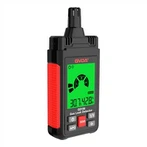
1. Measuring instruments
1. Use a precision sound level meter or a normal sound level meter and engine tachometer.
2. The sound level meter error should not exceed ±2dB (A).
3. Before and after measurement, the instrument should be calibrated as specified.
2. In-vehicle noise measurement
(1) In-vehicle noise measurement conditions
1. The measurement runway should be of sufficient length for the test. It should be a straight, dry asphalt or concrete road.
2. When measuring, the wind speed (referring to the ground) should not be greater than 3m/s.
3. Vehicle doors and windows should be closed during measurement. The other auxiliary equipment in the car is the source of noise. Whether it is started or not during the measurement should be determined according to the normal usage.
4. The interior noise floor is at least 10 dB(A) lower than the measured interior noise, and it is guaranteed that the measurement is not accidentally
interference from other sound sources.
5. In addition to the driver and measurement personnel, there should be no other personnel in the vehicle.
(2) Measurement methods,
1. The vehicle is driven at a constant speed at different speeds above 50km/h in common gears, and the measurements are carried out separately.
2. Use the "slow" sound level meter to measure the A and C weighted sound levels. Read the average of the maximum readings of the meter pointers respectively. The measurement results are recorded in Appendix Table 2.
3. The octave bands with the center frequencies of 31.5, 63, 125, 250, 500, 1000, 2000, 4000, and 8000 Hz should be included in the spectrum analysis of the interior noise.