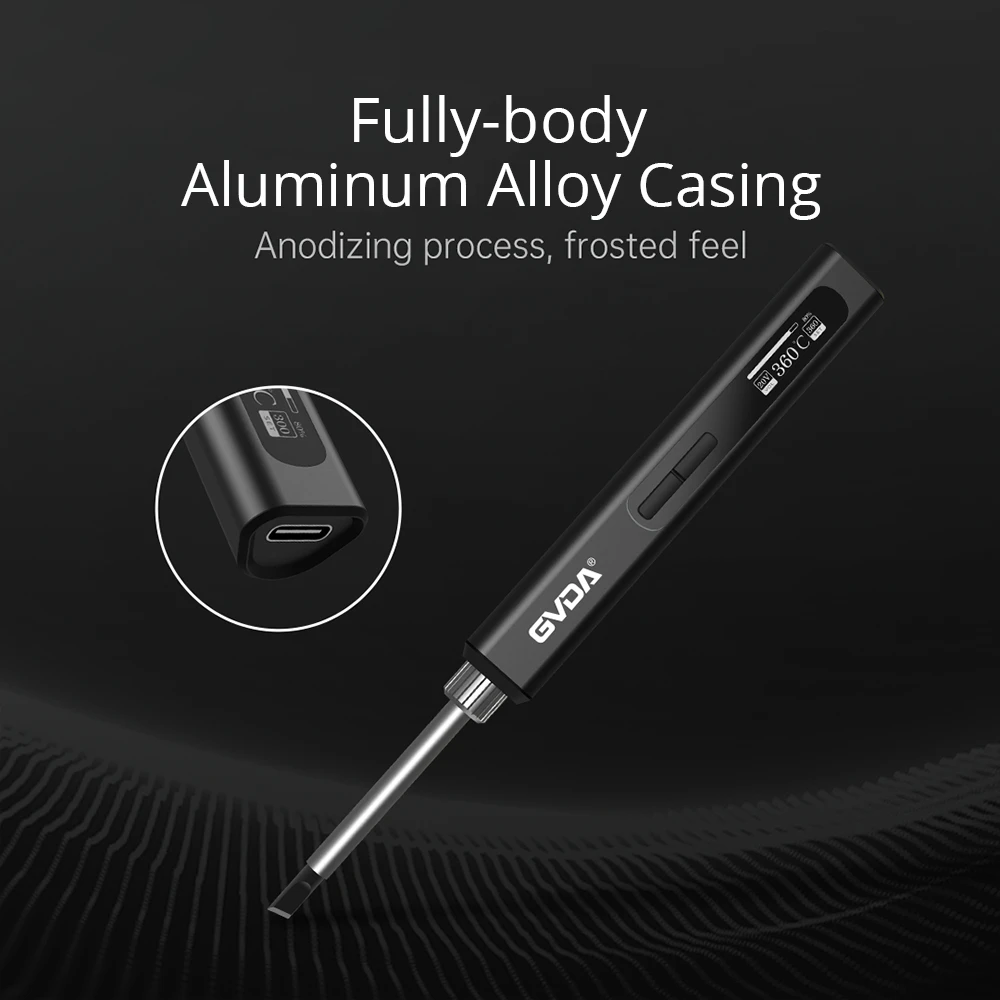
How to operate the welding scraping, plating and testing of the electric soldering iron
shave
Scraping means cleaning the surface of the metal object to be welded before welding. You can use a knife, scrap steel saw blade, etc. to scrape off (or grind it off with fine sandpaper or erase with a coarse eraser) the oxide layer, oil stain or insulating paint on the welding surface. until new metal surface is exposed. Before welding a homemade printed circuit board, you also need to carefully polish the copper-clad side with fine sandpaper or water sandpaper. "Scraping" is a key step to ensure welding quality, but it is often ignored by beginners. If the scraping is not done properly, the tin plating will not be good and the welding will not be easy. It should be noted that some component leads have been plated with silver, gold or tin enameled. As long as they are not oxidized or peeled off, there is no need to scrape them. If there is dirt on the surface, it can be erased with a coarse eraser. The choice of thick eraser is best for the large eraser used for drawing. Some gold-plated transistor pin leads, etc., will be difficult to plate with tin after the coating is scraped off. No matter what form of "scraping" is used, attention should be paid to constantly rotating the component pins to ensure that the surrounding area of the pins is completely clean.
plating
Plating is to tinning the parts to be welded as shown in Figure 4. After "scraping", the soldering parts such as component pins and wire heads should be immediately coated with an appropriate amount of flux, and a thin layer of tin should be plated with a soldering iron to prevent the surface from being oxidized again and improve the solderability of the components. sex. The plated solder layer needs to be thin and uniform, so the amount of tin on the soldering iron tip should not be too much each time. For components such as crystal diodes and transistors that are afraid of being burned, be sure to use tweezers or needle-nose pliers to clamp the roots of the lead pins in advance to help dissipate heat, and then perform tin plating. Tin enameling of components is an important process step in welding technology to prevent hidden dangers such as false soldering and false soldering. It must not be sloppy.
Measurement
Testing is to inspect the tin-enameled components to see if there are any burns, deformations, lap welding (short circuits), etc. on the appearance of the components under the high temperature of the soldering iron. For components such as capacitors, transistors, integrated circuits, etc., a multimeter must be used to check whether their quality is reliable. Components found to be of unreliable quality or damaged must not be reused.