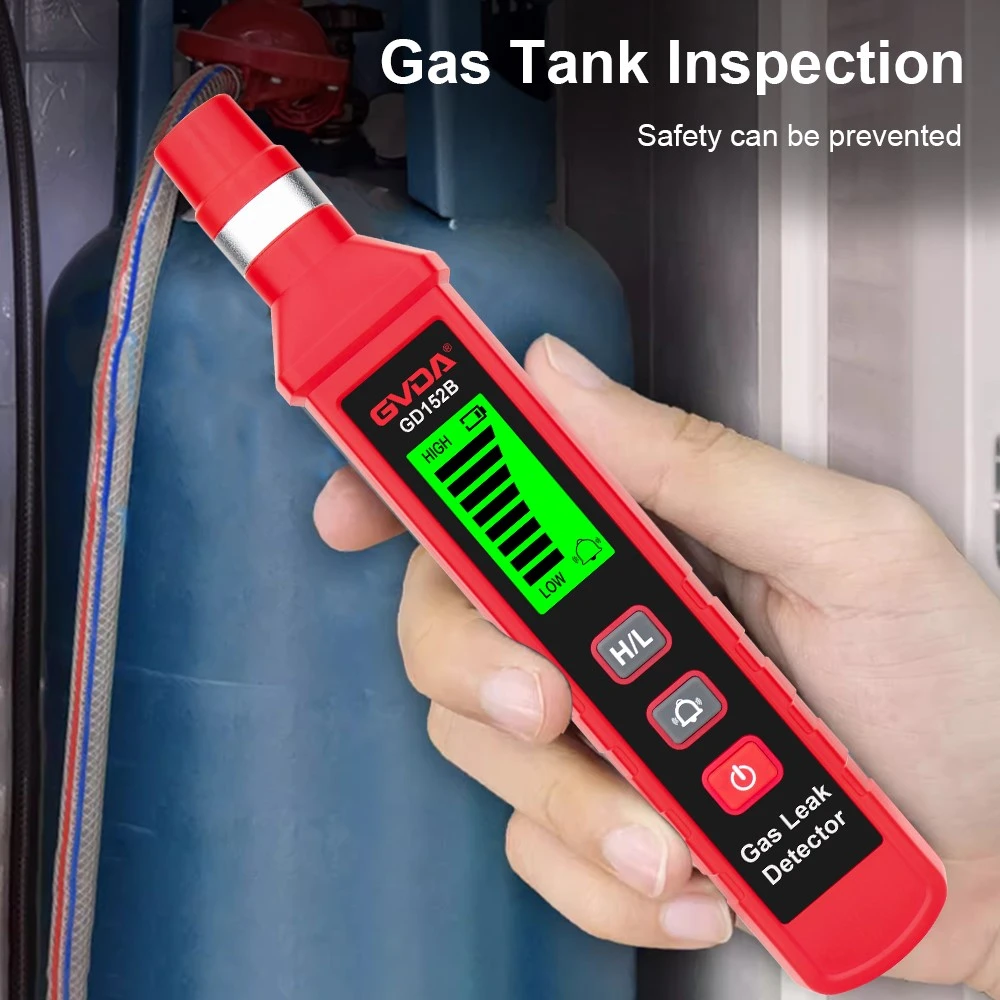
How to Select a Suitable Toxic and Hazardous Gas Detector?
It is crucial for all safety and occupational health practitioners to properly select gas detectors tailored to various production environments and testing requirements. Below is an introduction to specific scenarios for your reference.
Confirm the types and concentration ranges of gases to be detected
Different production departments encounter different types of gases, so all potential gas hazards must be taken into account during detector selection. If methane and other low-toxicity alkanes are the primary gases present, an LEL detector is undoubtedly the optimal choice. It features a simple working principle, wide application scope, and convenient maintenance and calibration procedures. When toxic gases such as carbon monoxide and hydrogen sulfide exist, a dedicated specific gas detector shall be prioritized to safeguard personnel safety. For organic toxic and hazardous gases (which can cause poisoning at relatively low concentrations), including aromatic hydrocarbons, halogenated hydrocarbons, amines, ethers, alcohols, esters and the like, the photoionization detector introduced in the previous chapter should be adopted. LEL detectors must not be used as a substitute, as this may lead to casualties.
If the on-site gas mixture covers all the above categories, a multi-gas compound detector can deliver twice the result with half the effort.