Using a clamp ammeter to check for low voltage line leakage and theft
1. Measure if there is electricity in the circuit
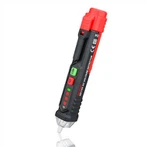
This is the most commonly used function of a test pen. When the pen lights up, it indicates the presence of electricity in the circuit, while when the light is not on, it indicates the absence of electricity in the circuit. But it is also not possible to judge whether the circuit is normal solely by whether the electric pen is on or off. For example, both a normal live wire and a wrongly connected zero wire can light up the pen, but the former is a normal phenomenon, while the latter has a fault.
2. Measure the in-phase or out of phase of the phase line
An electric pen can measure the in-phase or out of phase of a phase line. When measuring, hold an electric pen in both hands and stand on an insulated object. Touch two electric pens simultaneously on two wires. If the brightness of both pens is low, it indicates that the two wires measured at this time are in phase (both are phase lines); If the brightness of two electric pens is high, it indicates that the two lines measured at this time are out of phase (one phase line and one neutral line).
3. Distinguishing between AC and DC
The electric pen distinguishes between alternating current and direct current, and can be distinguished from brightness. When measuring AC power with an electric pen, the brightness should be significantly higher than that of DC power. It can also be distinguished from the position of the brightness of the electric pen. The luminescent body of the electric pen, called a neon tube, is a long strip shape. When measuring alternating current, the entire neon tube emits light; When measuring direct current, only one end of the neon tube emits light.
4. Measure the positive and negative poles of direct current
The position of the neon tube can be used to determine the positive and negative poles of the power supply. When measuring the positive pole of the power supply, the end of the neon tube near the pen tip lights up; When measuring the negative pole of the power supply, the end of the neon tube that is away from the pen tip lights up.
When purchasing a test pen, you should choose a legitimate hardware store and not seek cheap prices. Ensuring quality is the most important thing.
When using a physical test pen, the posture of holding the test pen is important: the index finger is pressed against the pen cap end of the pen, and the thumb, middle finger, and ring finger gently pinch the pen to keep it stable. Then, insert the metal pen tip into the socket panel hole on the wall or the external plug socket hole.
To determine whether it is electrified, check whether the neon tube in the middle of the measuring pen emits light, and the one that emits light is electrified. If during the day or in places with strong light, the light emitted by the measuring pen is not obvious, you can block the light with your hands and observe carefully
Before using the test pen, first check for safety resistance in the test pen, and then visually check for any damage, moisture or water ingress. Only after passing the inspection can the test pen be used.
When using a test pen, do not touch the metal probe at the front end of the test pen with your hands, as it may cause an electric shock accident.
When using a test pen, it is necessary to touch the metal part at the end of the test pen with your hand. Otherwise, due to the lack of a circuit between the charged body, the test pen, the human body, and the earth, the neon bubbles in the test pen will not emit light, causing a misjudgment and believing that the charged body is not charged, which is also very dangerous.