If you want the wind direction anemometer to measure accurately, these three points must be paid attention to
Wind speed and wind direction are the main data in natural climate monitoring, and they will change every day. In agriculture, people often use them to avoid damage to crops caused by strong winds. Therefore, people's measurement of wind direction and wind speed has become particularly important. In the past, traditional manual observations have long been replaced by professional instruments such as wind direction and anemometers.
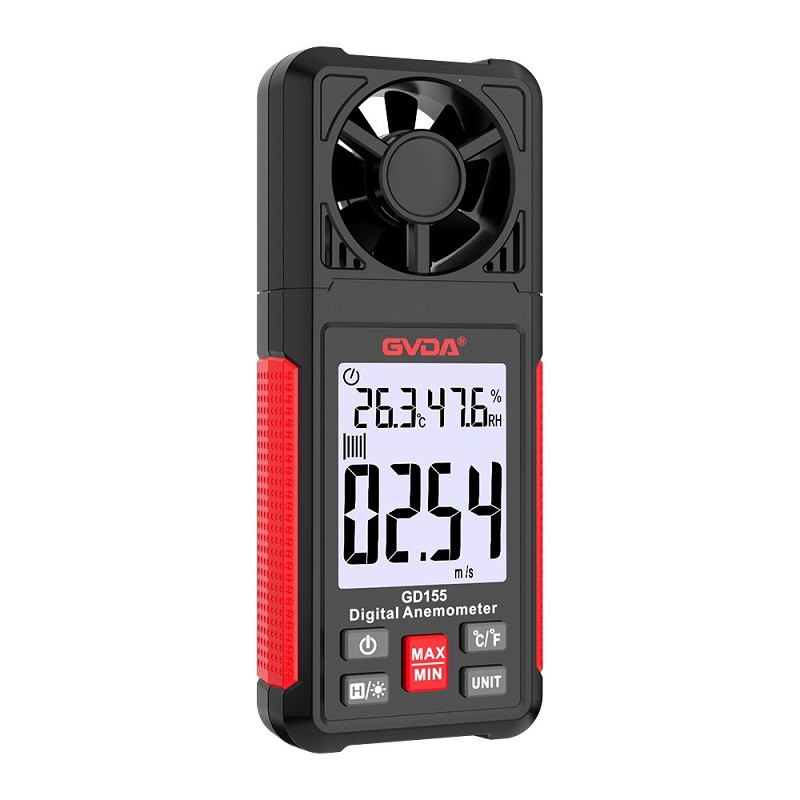
The wind direction and anemometer is composed of two parts. First, the wind direction part is composed of a wind vane and a wind direction dial. The wind direction indication value is determined by the position of the wind direction pointer on the wind direction dial. The single-chip microcomputer in the instrument samples and calculates the output frequency of the wind speed sensor. Finally, the instrument outputs the instantaneous wind speed, one-minute average wind speed, instantaneous wind level, one-minute average wind level, average wind speed and corresponding wave height. The measured Parameters can be displayed directly on the handheld. It also has three operation modes: automatic, manual and computer lock, which can be set by users according to their needs, and it is very convenient to use. However, for every precision measuring instrument, it must be operated strictly according to the usage specifications during use, and the wind direction and anemometer is no exception. The following three points should be paid attention to:
① The instrument is strictly protected from collision and vibration, and cannot be used in places with excessive dust content or corrosiveness.
② There are 4 batteries in the instrument, which are divided into two groups, one group is three cells connected in series, and the other group is single cell. When adjusting the "full adjustment" knob, if the ammeter cannot reach the full scale, it means that the single battery is exhausted; when adjusting the "coarse adjustment" and "fine adjustment" knobs, if the pointer of the ammeter cannot return to zero, It means that the three batteries are exhausted; when replacing the batteries, open the small door at the bottom of the instrument and connect them in the correct direction.
③ After the instrument is repaired, it must be recalibrated.
To put it simply, in order to obtain accurate measurement data of the anemometer, we must standardize the operation and pay more attention to some details.