Introduction to the principle and application of the electric pen
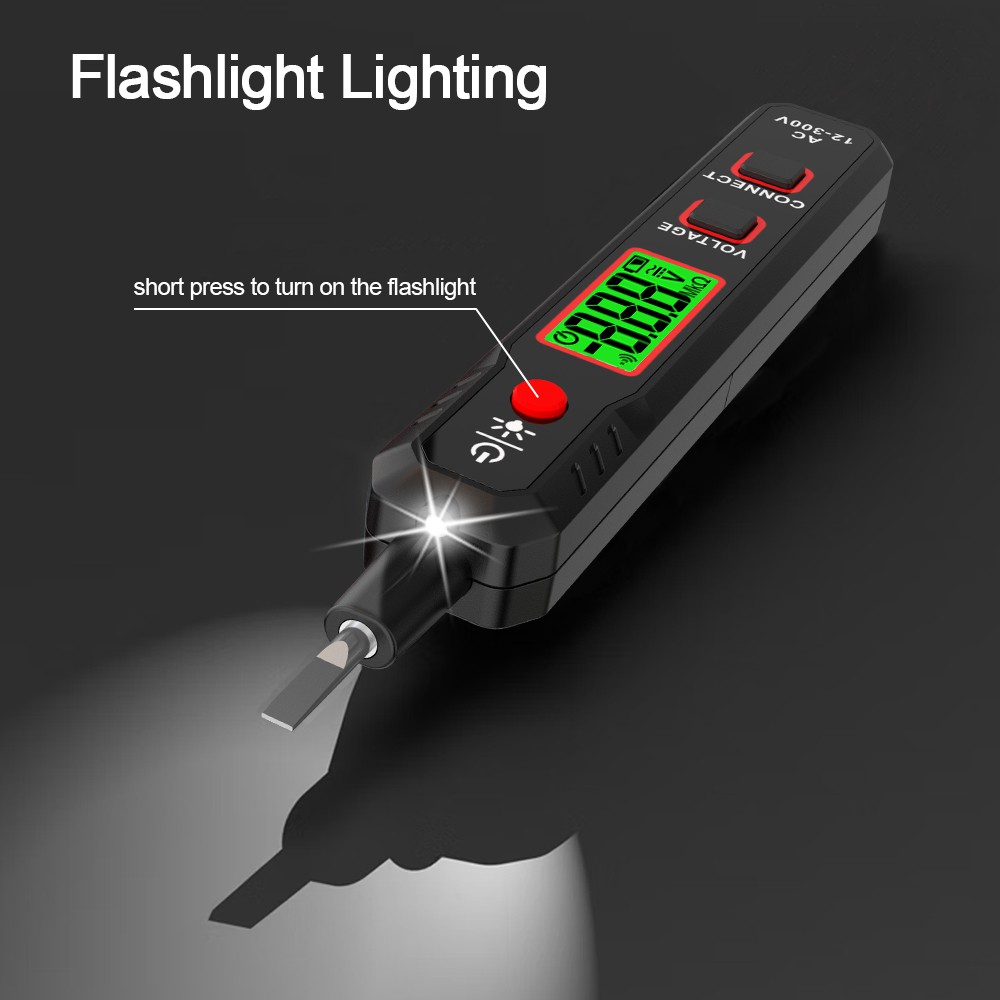
One of the most popular tools for determining whether something is charged is the electric test pen. It has a light bulb-like interior structure with two electrodes. The neon bulb, also known as neon gas, is inside the lightbulb. After a high resistance is connected in series, one pole of it is attached to the tip of the pen and the other pole is connected to the other end. A light will be produced between the two poles of the neon bulb when the voltage between the two poles reaches a particular value; the intensity of the glow is proportional to the voltage between the two poles.When the tip of the electric test pen hits a charged body with a voltage higher than the neon bulb's initial glow voltage and the other end is grounded through the body, the electric test pen will begin to glow. In order to prevent harm, the resistance in the test pencil serves to restrict the current that passes through the body.
The electric test pen can be used for the following things in addition to determining whether or not an object is charged:
(1) Low-voltage phase verification can be used to determine whether any of the line's wires are in phase or out of phase. The precise procedure is to hold a test lead in each hand while standing on something that is insulated from the earth, test the two wires that need to be tested. The two lead wires are different if the two test leads glow brightly. Instead, it is the same phase, which is determined by the luminous intensity of the neon bulb in the test pen as being proportionate to the voltage differential between its two poles.
(2) It can be utilized to differentiate between direct current and alternating current. When using a test pen, alternating current is present if both poles of the neon bulb glow; if only one of the two poles glows, direct current is present.
(3) It is capable of determining the positive and negative direct current poles. The pole on the neon bulb that glows is the negative pole, and the pole that does not shine is the positive pole, thus connect the test pen to the DC circuit for testing.
It can be used to determine whether or not the DC is grounded. You can stand on the ground and use a test pen to contact the positive or negative pole of a DC system that is isolated from the ground. No grounding phenomena exists if the test pen's neon bulb does not light up. The positive electrode is grounded if the neon bulb lights up, and if it lights up like a pen, the grounding phenomena is present.It is the negative ground if the light is on the finger end. The method cannot be utilized to determine whether a DC system is grounded in a system with ground monitoring, it must be made clear.