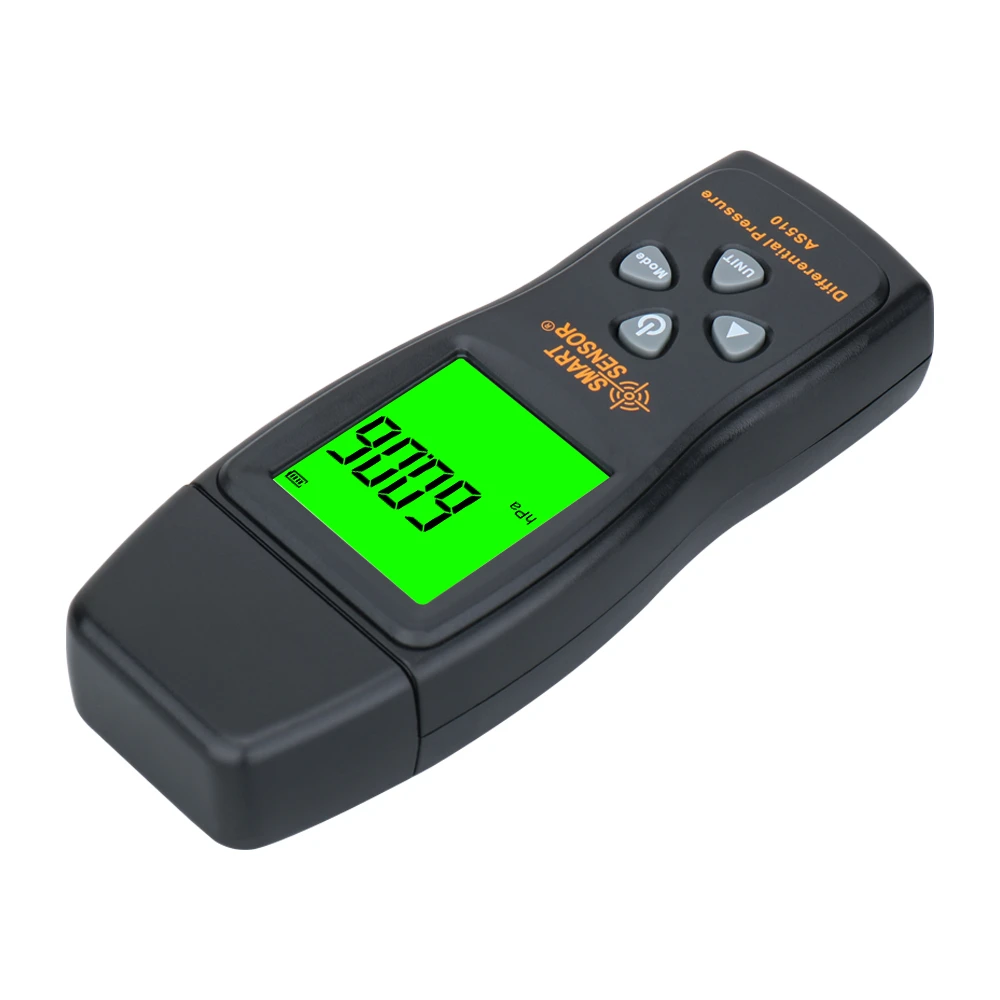
Introduction to the principle of differential pressure water level gauge
According to the principle of hydrostatics, by measuring the static pressure difference between the variable water level and the constant water level, the differential pressure value is converted into a water level value, and then the drum water level is converted into an electrical signal that changes continuously with the water level through a differential pressure transmitter. As an important parameter in the automatic water supply control system.
The problem of the differential pressure water level gauge in practical application is: when measuring the water level of the boiler drum, the change of the drum pressure makes the relationship between the water level and the differential pressure also change, which brings a large error to the measurement. The balance vessel measurement method with drum pressure compensation is widely used now, but its accuracy is still greatly limited. Because the design and calculation of the balance vessel compensation device is based on the condition that the water level is at zero water level, and when the boiler water level deviates from the zero water level during operation, measurement errors will be caused. When the steam pressure suddenly drops, the condensed water in the positive pressure container will be evaporated and the instrument indication will be abnormal.
All of these have caused great difficulties to the operation of the boiler, especially when the automatic water supply regulation is put into operation, a wrong action will occur, resulting in a boiler accident. The differential pressure water level gauge is more suitable for water level measurement when the boiler is running stably, and the error will be large when the operating parameters change greatly.